
Last updated November 24, 2026
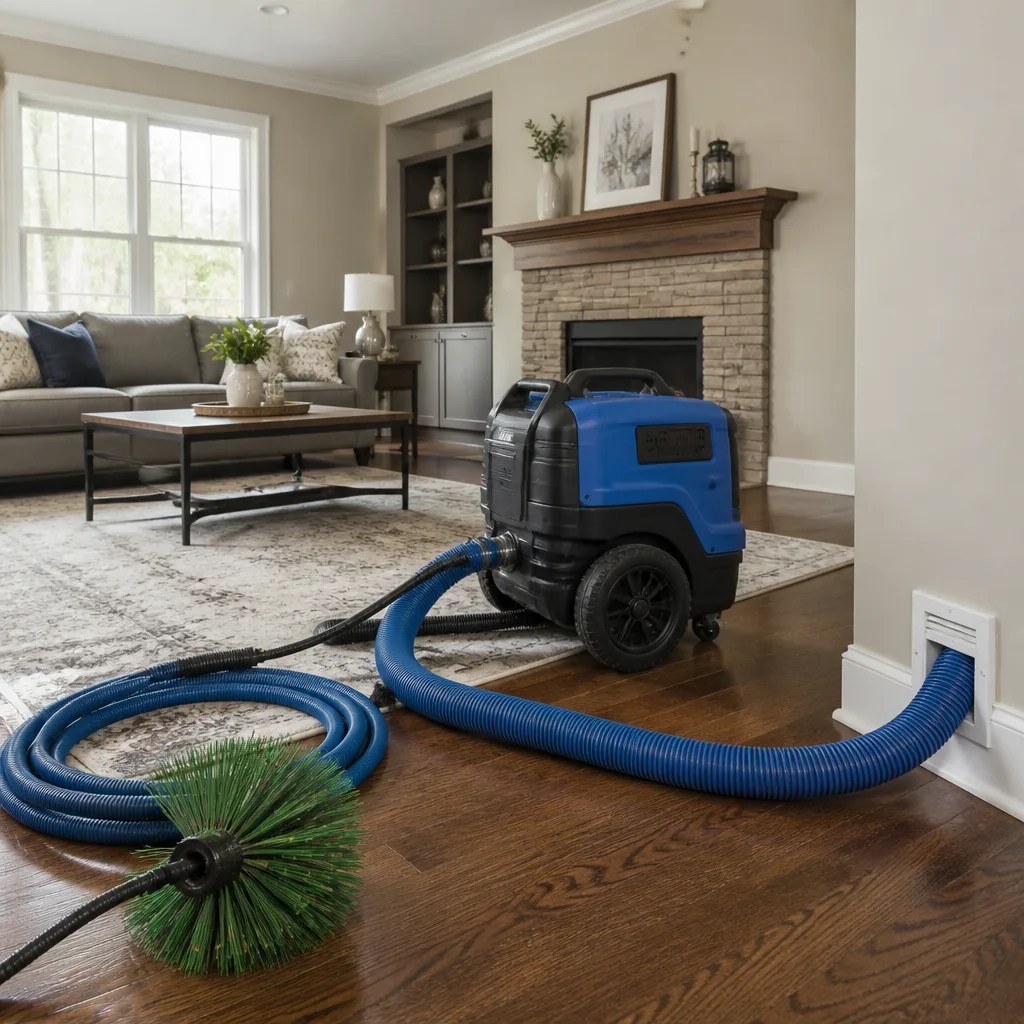 Whole-home duct cleaning
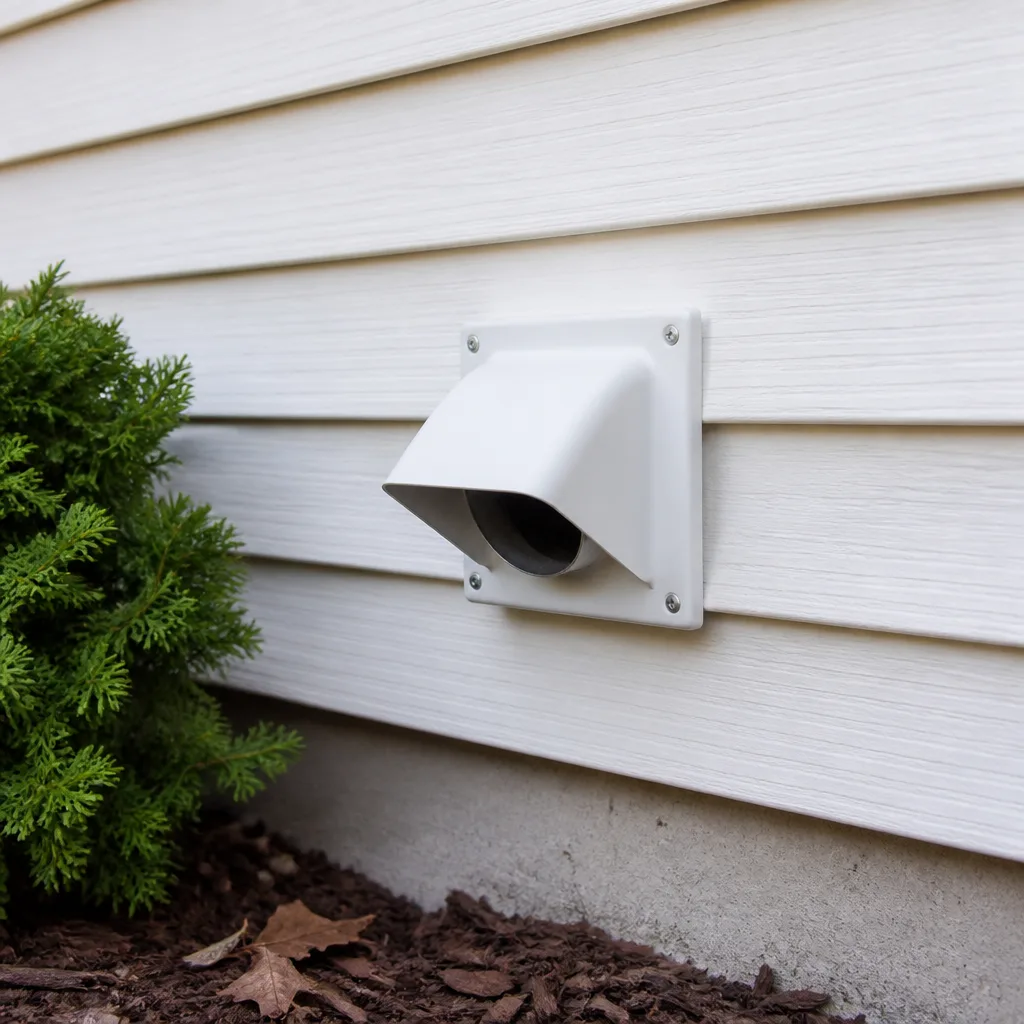 Dryer vent cleaning
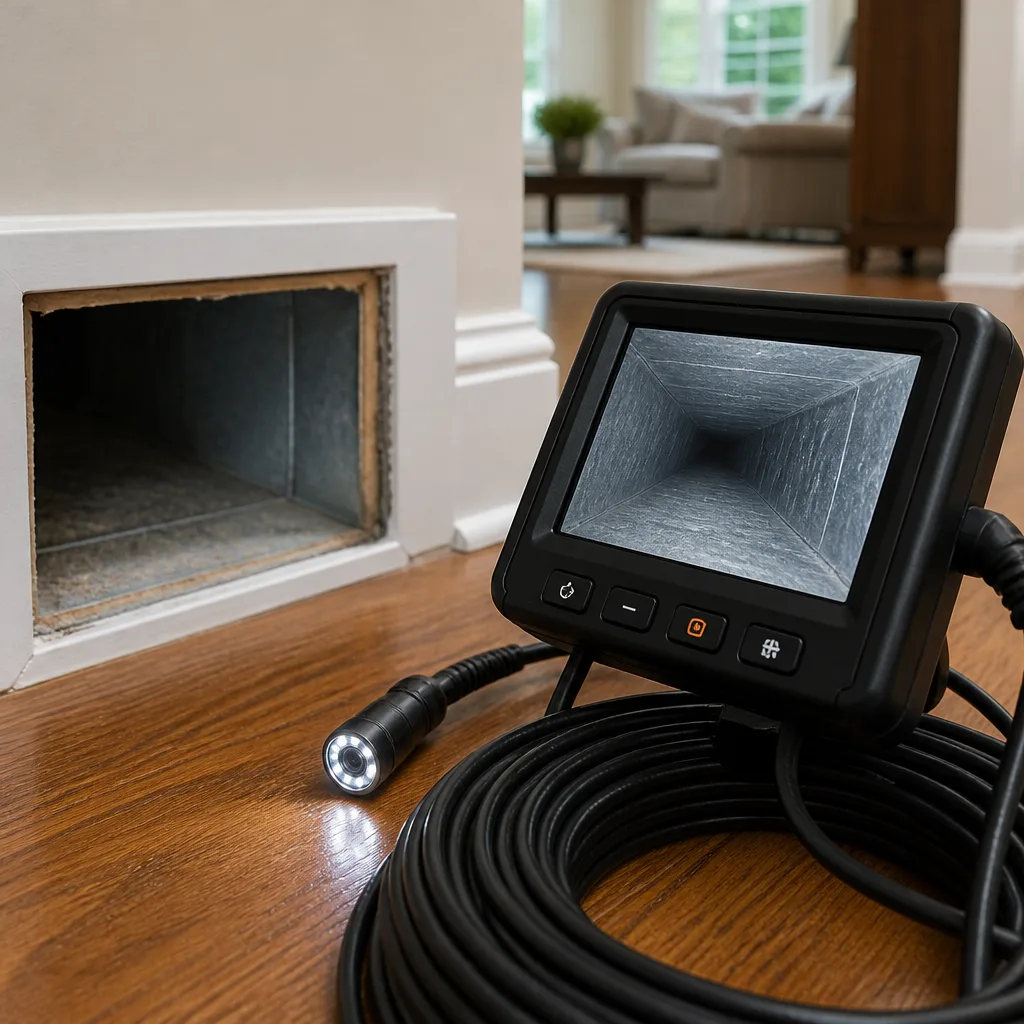 Camera inspection
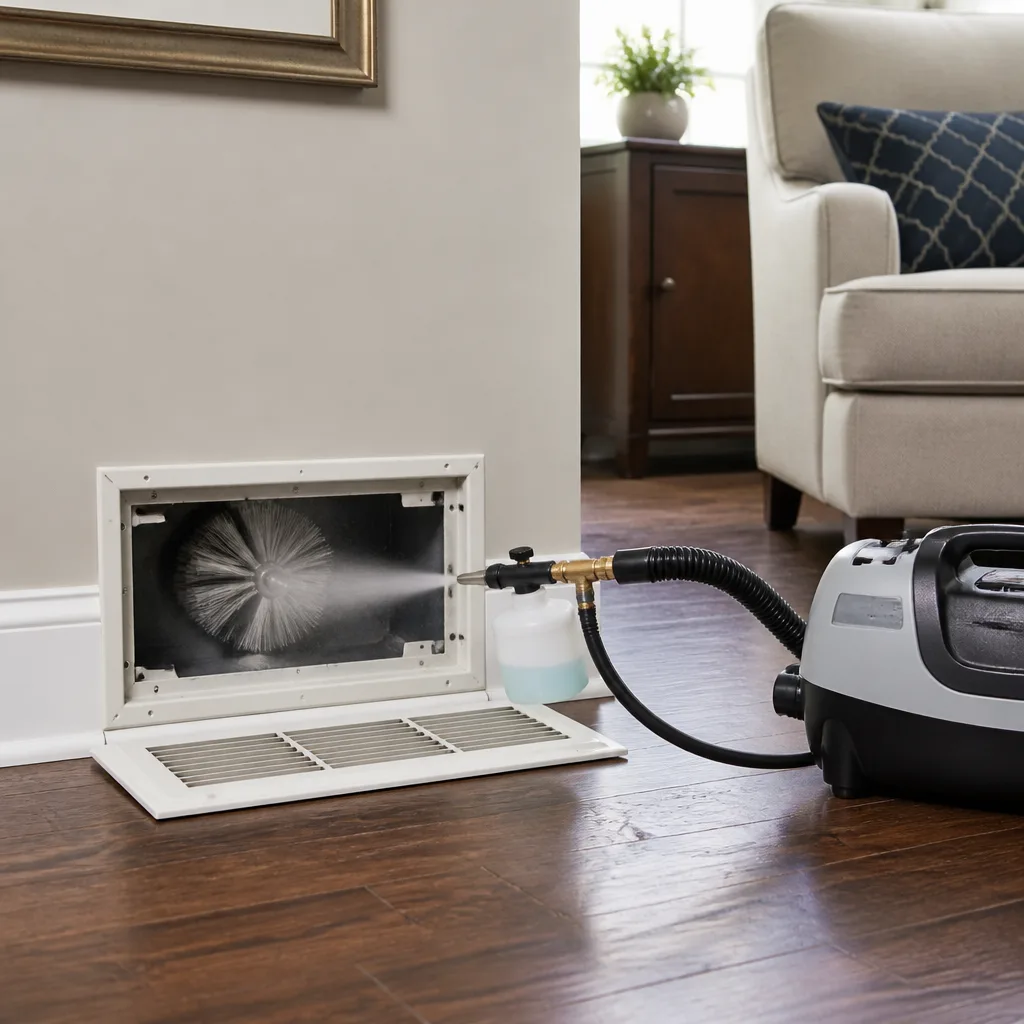 Sanitizing & deodorizing
Whole-system duct and dryer vent check with before-and-after photos - you see exactly what came out of your vents
That "$99 whole-house special" is a bait ad - the real number appears once they are in your hallway, or the "clean" is a shop-vac at the register. We photograph the inside of your ducts before and after instead.
The Complete Guide to Air Duct Cleaning in West Anaheim
A duct cleaning that leaves a fouled evaporator coil untouched doesn’t improve your air. It just moves the problem 18 inches upstream. That’s the mistake at the heart of most residential duct work: the ducts get treated like an isolated pipe network instead of one part of a connected air pathway. In West Anaheim, where mild winters, humid stretches, and Santa Ana wind cycles all leave their mark on a house, that piecemeal approach tends to fail quietly. You pay for a cleaning, the air still smells off, and nobody can tell you why. This guide explains the full-system lens: ducts, air handler, coil, and registers evaluated together. You’ll learn what contamination looks like here, how a real cleaning differs from a vacuum pass, how to verify the work, and when cleaning isn’t the right first step at all.
Quick Answer
Air duct cleaning in West Anaheim is a full-pathway job, not a vacuum of the trunk lines. A proper service uses mechanical agitation and negative-air extraction on the ducts while also inspecting the evaporator coil, blower wheel, drain pan, and return plenum, because contamination in any one of those components keeps circulating through the others. If the ducts are damaged or leaking, sealing or repair comes before cleaning. You know it worked when airflow readings and a visual check confirm it before the technician leaves.
Styles & brands we work with
- Whole-home duct cleaning
- Dryer vent cleaning
- Camera inspection
- Sanitizing & deodorizing
Table of Contents
- Why West Anaheim Homes Need a Full-System Lens
- What Contamination Looks Like in West Anaheim Ductwork
- What a Full-System Inspection Actually Covers
- Source Removal vs. Blow-and-Vacuum: Why It Matters in Older Tract Housing
- How a Professional Cleaning Works, Step by Step
- How to Read a Post-Cleaning Verification
- When Duct Cleaning Is the Wrong First Step
- What Duct Cleaning Costs in West Anaheim
- Common Mistakes to Avoid
- When to Call a Professional
- Frequently Asked Questions
Why West Anaheim Homes Need a Full-System Lens
Your HVAC system moves air through five connected stages: the return grille, the return plenum, the air handler, the supply trunks and branches, and the registers. Contamination doesn’t respect those boundaries. Dust settles on the evaporator coil, the blower wheel flings it into the supply ducts, and the cycle repeats. Clean the ducts alone and you’ve handled one stage of five.
This matters more in West Anaheim than the generic duct cleaning advice suggests. The neighborhood sits inland enough to miss the coastal fog that keeps beach-adjacent homes damp, but close enough that humid stretches in late summer and early fall push moisture into the same ductwork. Then the Santa Ana winds arrive and drive fine dust and grit into every gap they can find, including the return side of a house with a poorly sealed plenum. Our technicians have up to 11 years of experience, and the pattern that repeats across West Anaheim is contamination that accumulates on both the wet and dry ends of the system in the same season.
Treat the system as a whole and the questions change. Instead of “did they clean my ducts?” you start asking “did the coil get cleaned, is the plenum sealed, did airflow improve?” Those are questions with verifiable answers. A piecemeal cleaning leaves you guessing.
This is also why we approach Air Duct Cleaning West Anaheim as a full-system indoor air service rather than a one-step vacuum visit. The equipment and the scope have to match the problem the house actually has.
What Contamination Looks Like in West Anaheim Ductwork
West Anaheim’s climate produces two distinct contamination patterns, and most homes here deal with a mix of both. The dry pattern comes from the Santa Ana wind cycles: fine mineral dust and pollen pushed into return grilles, collecting along the bottom of horizontal flex runs where airflow slows. The humid pattern comes from late-summer moisture: biological growth on the evaporator coil and in the drain pan, then spores carried into the supply side every time the system runs.
Here’s what we typically find when we open up a West Anaheim system:
- Dust loading on horizontal flex runs. The lower wall of a flex duct collects fine grit because airflow is slowest there. A simple vacuum pass lifts the surface layer and leaves the compacted material behind.
- Coil fouling. The evaporator coil is a dense fin pack. Once dust bridges the fins, it holds moisture, and the coil becomes a growth site rather than a cooling surface.
- Blower wheel imbalance. Dust builds unevenly on the blower wheel, which throws the wheel slightly out of balance and reduces airflow without any obvious symptom until the system starts struggling.
- Drain pan biofilm. Standing moisture in the pan, especially during humid stretches, supports a film that feeds the supply side with organic particulate.
- Return plenum leaks. Gaps at the plenum pull garage, attic, or crawlspace air directly into the return, bypassing the filter entirely.
In West Anaheim homes built during the postwar tract expansions, the duct runs are also long and often undersized for modern furniture layouts, which slows air further and gives contamination more time to settle. Inland neighborhoods may see less of the humid pattern and more of the dry wind-driven dust. Either way, the takeaway is the same: contamination concentrates where airflow is slowest and where moisture lingers. Cleaning has to address both.
What a Full-System Inspection Actually Covers
A duct cleaning that starts with a vacuum and ends with a vacuum skips the step that tells you whether you needed cleaning at all. A full-system inspection is the step that determines it. Here’s what a real inspection covers, in order:
- Return air pathway. The return grilles, filter slot, and return plenum get checked for gaps, filter bypass, and dust accumulation. A leaky plenum pulls unfiltered air straight into the system.
- Air handler cabinet. The cabinet interior is inspected for standing moisture, rust, and debris. Anything wet inside the cabinet is a growth site, not a cleaning target.
- Evaporator coil. The coil is checked for fin bridging and visible dust loading. A coil that needs cleaning is a different service than a duct cleaning and has to be priced that way.
- Blower wheel. The wheel is checked for dust imbalance and bearing play. Dust on the wheel changes airflow and can eventually shorten motor life.
- Drain pan and condensate line. The pan is checked for standing water and biofilm. The line is checked for clogs that would back water into the cabinet.
- Supply trunks and branches. Each run is checked for dust loading, flex duct sag, and collapsed or disconnected sections. A disconnected run delivers no air to the room it was meant to serve.
- Registers and grilles. The final delivery points are checked for restriction, and for evidence of the system pushing air through a closed or blocked register.
This is the layer that separates an inspection from a sales call. If any component shows moisture, damage, or a leak, that gets addressed before cleaning, not after. In West Anaheim, the inspection usually takes longer than the cleaning itself because the houses and their duct layouts vary enough that there’s no default assumption.
Source Removal vs. Blow-and-Vacuum: Why It Matters in Older Tract Housing
Source removal means physically agitating the contamination off the duct walls and extracting it under negative pressure. Blow-and-vacuum means blasting air through the ducts and hoping the debris ends up in the vacuum rather than the living room. The names sound similar. The results don’t.
The difference matters most in the older Anaheim tract housing, where flexible duct runs and short-radius elbows create pockets a simple vacuum can’t reach. A shop vac can’t generate the pressure and filtration a source-removal job requires. Blow-and-vacuum can even make things worse by loosening compacted material and redistributing it through the house.
We use professional-grade equipment for the reason that matters: mechanical agitation plus negative-air extraction is the only method that lifts contamination off the duct wall and removes it from the building in the same pass.
- Rotobrush rotary brush system for mechanical duct agitation. The brush lifts compacted dust off the duct wall, including the lower wall of horizontal flex runs where the surface is hardest to disturb.
- Nikro negative-air extraction for the pull side. Negative pressure holds the loosened particulate under containment so it leaves the system rather than the register.
- Abatement Technologies contaminant-control filtration on every job. This is the same filtration standard used in remediation work, and it’s the reason we can say contaminants leave the ducts instead of getting redistributed through the home.
For a closer look at what a proper mechanical air duct cleaning involves on the equipment side, our service page walks through the process step by step. The principle is the same: agitation, containment, extraction, verification.
How a Professional Cleaning Works, Step by Step
A full-system cleaning in a West Anaheim home follows a sequence. Skipping a step is what turns a cleaning into a surface pass.
- Inspection and airflow baseline. We record airflow readings at the registers and document the coil, blower, and plenum condition before any cleaning starts. This baseline is what the verification step gets compared against.
- Containment setup. Negative pressure is established with the extraction equipment and Abatement Technologies filtration. Registers get covered and the return is sealed to the equipment so loosened particulate has one direction to go: out of the system.
- Mechanical agitation of supply and return runs. Rotobrush brush heads work each run, trunk to branch. Flex duct gets a brush sized for the run so the internal liner isn’t damaged.
- Extraction under negative pressure. Nikro extraction pulls the loosened material out of containment. Nothing is blown through the house.
- Coil, blower, and drain pan cleaning. These components are cleaned inside the air handler, not skipped, because they feed the ducts every time the system runs.
- Sanitizing. A sanitizing treatment is applied to the duct interiors and the air handler components. Sanitizing is the final step, not an upsell, and it’s what keeps the cleaned surfaces from becoming growth sites again in the same season. We use Honeywell and Aprilaire products for filtration and sanitizing where an upgrade makes sense, and Guardsman protective treatments are available for post-clean surface protection.
- Repair and sealing as needed. Any plenum gaps, disconnected flex runs, or register leaks found during inspection are sealed so the cleaning isn’t undone by the next wind event.
- Verification. Post-cleaning airflow readings are compared to the baseline, and the coil, blower, and duct interiors are checked visually. The technician walks through the results before leaving.
This is what “clean ducts to sealed ducts” means in practice. The cleaning is one stage. The inspection, repair, and verification are what make the result durable. For systems where the air handler itself needs deeper attention, our HVAC cleaning service handles the coil, cabinet, and blower side in a dedicated visit.
How to Read a Post-Cleaning Verification
You should not have to take the technician’s word for it. A post-cleaning verification is a series of checks that confirm the work happened. Here’s what to expect and how to read it:
- Airflow readings at each register. A cleaning that removes contamination should change airflow. Small increases are normal and expected. Significant drops would suggest a duct was disturbed or a register was left restricted. Ask to see the numbers next to your baseline.
- Visual documentation of the ducts. Before-and-after photos of your own ducts, not stock images. The interior of each cleaned run should show the duct wall, not a fog of loosened dust.
- Coil and blower inspection. The coil fins should be visible between the fin pack, and the blower wheel should show no uneven dust loading. If the technician can’t show you the coil after cleaning, the coil likely wasn’t cleaned.
- Drain pan check. The pan should be dry and clear of biofilm. Any standing water is a sign the drain line or pan needs attention before the system runs again.
- Plenum and register seal check. Any gaps identified during inspection should be sealed. Ask what was sealed and where.
- Containment breakdown. The negative-pressure equipment should come down cleanly with no visible dust escape during the process.
If a technician can’t walk you through each of these, the cleaning was likely a vacuum pass with documentation optional. A full-system service should make the verification the easiest part of the visit.
When Duct Cleaning Is the Wrong First Step
Sometimes a West Anaheim home doesn’t need cleaning. It needs sealing or repair first. Cleaning a system with leaking ducts wastes the effort because the next wind event pulls new dust through the same gaps. Repairing a collapsed flex run before cleaning prevents the cleaning from being pointless on that run.
Here’s when to hold off on cleaning and address the system first:
- Visible plenum gaps or disconnected flex runs. If a supply branch has come loose from its takeoff, the room it serves isn’t being conditioned and the system is pulling from the wrong place. Repair first.
- Sagging or crushed flex duct. A run that’s been stepped on in the attic or crushed against a joist has restricted airflow that no cleaning will fix. Replacing that section is the correct step.
- Mold inside the air handler cabinet. Cleaning ducts around a mold-contaminated air handler just spreads the problem. The cabinet and components need remediation-grade treatment first, and the underlying moisture source needs to be found.
- A failing blower motor or wheel. Cleaning the system doesn’t fix a bearing that’s failing or a wheel that’s cracked. Mechanical repair comes first.
- A coil that needs replacement. A coil that’s beyond cleaning gets cleaned with no benefit. Replacement or repair is the first decision.
The duct repair and sealing service exists for exactly these situations. Clean ducts to sealed ducts, in that order, when the ducts need sealing. Our team can tell you during the free estimate whether cleaning, repair, or both are the right call. We would rather quote you the smaller job if that’s what the system actually needs.
What Duct Cleaning Costs in West Anaheim
Air duct cleaning in West Anaheim is priced per system by a written estimate, not per vent. That’s the number to ask for on the phone: an all-in range for your home’s system, agreed before any work starts. Per-vent pricing is how the coupon-to-invoice gap happens, and it’s the reason a “cheap” quote sometimes doubles once the technician is on site.
Typical ranges for the work in West Anaheim, based on the job scope:
- Standard residential duct cleaning (single system, full access): $350-$600 for source-removal cleaning of supply and return runs, coil and blower cleaned, sanitizing included.
- Older tract homes with complex duct runs: $450-$800 because flex runs, elbows, and added branch lines add cleaning time and equipment passes.
- Duct sealing or repair, priced separately: $300-$700 for plenum sealing, reconnect of disconnected runs, or replacement of crushed flex sections.
- HVAC cleaning (coil, cabinet, blower, drain pan deep clean): $200-$450 as a standalone service on top of or separate from duct cleaning.
- Dryer vent cleaning (standalone safety service): $120-$200. Dryer vents are a fire risk, not a maintenance afterthought, and the cleaning is a different job from duct cleaning.
- Sanitizing treatment for air quality concerns: $80-$175, varying with system size and whether filtration upgrades are included.
These ranges are typical and estimated, not fixed. The written estimate sets the final price, and the estimate is free. If a quote comes in far below these numbers, ask what it covers: per-vent pricing, no coil cleaning, no containment, or no verification are the usual explanations. Ask for the whole-system number in writing and ask how they confirm the work. A local pro who is licensed and insured as their state requires should have no trouble putting that on paper.
For dryer vent work specifically, our dryer vent cleaning page explains what the service covers and why lint accumulation matters beyond airflow.
Common Mistakes to Avoid
- Buying a per-vent price. Vent count has almost nothing to do with how long a cleaning takes in West Anaheim tract housing with flex runs. Ask for the per-system number and the scope in writing.
- Letting the technician skip the coil. A cleaning that stops at the duct trunks leaves the evaporator coil fouled and the problem circulating. Ask to see the coil before and after.
- Accepting “we cleaned it, trust us” without verification. Airflow readings and visual documentation of your own ducts are the check. A technician who can’t produce either hasn’t done source removal.
- Cleaning leaking ducts without sealing them. The plenum gaps that let West Anaheim dust into the return will recontaminate the system within a season. Sealing comes first.
- Treating the dryer vent as an afterthought. Dryer vent cleaning is a separate service with its own safety reasoning, and rolling it into a duct cleaning as an upsell usually means it gets done poorly. It should be done as its own job.
- Using a shop-vac “specialist.” A shop vac can’t hold negative pressure on a full duct system, and it has no filtration for the particulate it lifts. The result is redistribution, not removal.
- Skipping sanitizing, then wondering why smells return. Sanitizing is the final step because it treats the cleaned surfaces. Without it, humid stretches in West Anaheim will reseed the system.
When to Call a Professional
Call a professional when you can see or smell the problem and the cause isn’t obvious. Visible dust plumes from a register, a musty odor when the system runs, unexplained allergy symptoms that clear up when you leave the house, or a recent remodel that filled the system with drywall dust all warrant an inspection. Call if you’ve had a duct cleaning in the past year and saw no improvement, which usually means the coil and plenum weren’t addressed. Call if your dryer is taking longer than it used to dry a load, since lint buildup is a safety concern, not just an inconvenience. Call if your energy bill has crept up without a rate change, which can mean restricted airflow. Air Duct Cleaning West Anaheim offers free estimates in West Anaheim. Call (866) 937-8584. We answer 24/7. Fast dispatch from 7am to 7pm, Sunday through Friday.
Frequently Asked Questions
Most full-system air duct cleaning in West Anaheim runs $350 to $600 for a standard single-system home, with older tract homes and complex duct layouts priced higher, typically $450 to $800. Those are typical ranges, not fixed prices. The written estimate sets the final number, and estimates are free. Call (866) 937-8584 for an exact quote.
Cheap quotes usually price per vent rather than per system, skip the evaporator coil and blower, or use a shop vac instead of source-removal equipment with negative-air extraction. That’s how a low quote becomes a much larger invoice once the technician is on site. Ask for the whole-system number in writing and ask what’s included before booking. Call (866) 937-8584 for a written estimate you can compare.
Ask for two things: airflow readings taken before and after cleaning, and before-and-after photos of your own ducts and coil. A source-removal job produces both. A surface vacuum pass produces neither. Any technician using professional equipment from Rotobrush and Nikro should be able to show you the results without hesitation.
Most West Anaheim homes don’t need cleaning on a fixed schedule. If you have pets, allergies, or have just finished a remodel, a cleaning every few years can make sense. If you’ve had the system sealed and verified, the interval between cleanings usually gets longer, not shorter. The right answer depends on inspection. Call (866) 937-8584 and we’ll tell you honestly whether you need it.
Duct cleaning can help reduce airborne particulate and remove contamination that feeds it, but the biggest gains come from cleaning the coil and sealing the ducts so new contamination doesn’t enter. Cleaning the ducts alone, without addressing the coil and plenum, tends to leave the airborne particulate largely unchanged. A full-system approach is the one that shows a measurable difference.
Both services are part of the same indoor air pathway, and West Anaheim customers often have both done at once. We price them separately because they’re different jobs with different equipment, and a dryer vent cleaning should never be treated as throw-in upsell work. Call (866) 937-8584 and we’ll scope both.
The Bottom Line
The reason most duct cleanings don’t work is that they treat the ducts as the whole system. In West Anaheim’s climate, contamination lives in the coil, the blower, the drain pan, and the plenum as much as in the supply and return runs. A full-system cleaning means source removal under negative pressure, coil and blower cleaning in the same visit, sanitizing as the final step, repair and sealing where the inspection calls for it, and verification with airflow readings and photos before the technician leaves. If a quote skips any of those, it’s a surface pass. Ask for the whole-system number in writing. We use professional-grade equipment from Rotobrush, Nikro, and Abatement Technologies, and we’d rather quote you a smaller job than one the system doesn’t need. Call (866) 937-8584 for a free estimate. We answer 24/7. Fast dispatch from 7am to 7pm, Sunday through Friday.
Written by the team at Air Duct Cleaning West Anaheim.
See the difference
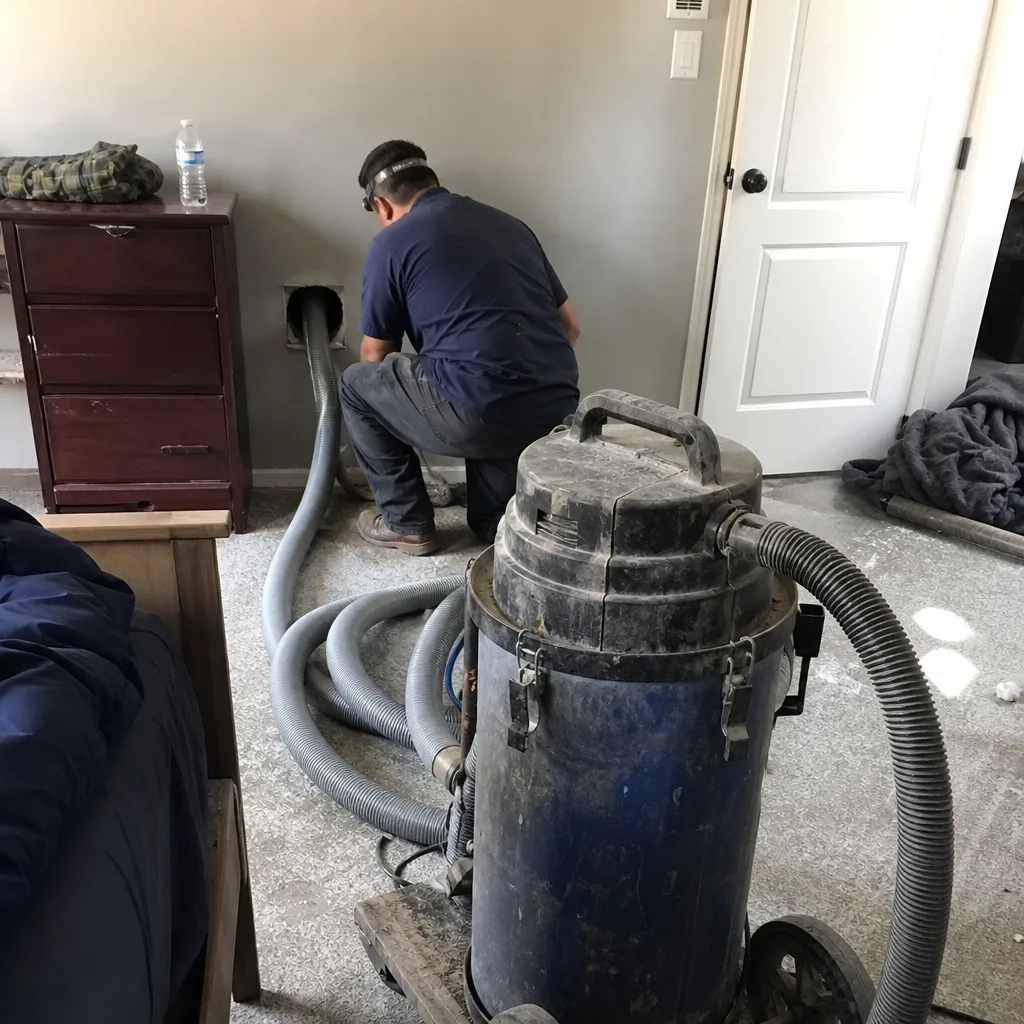 Before
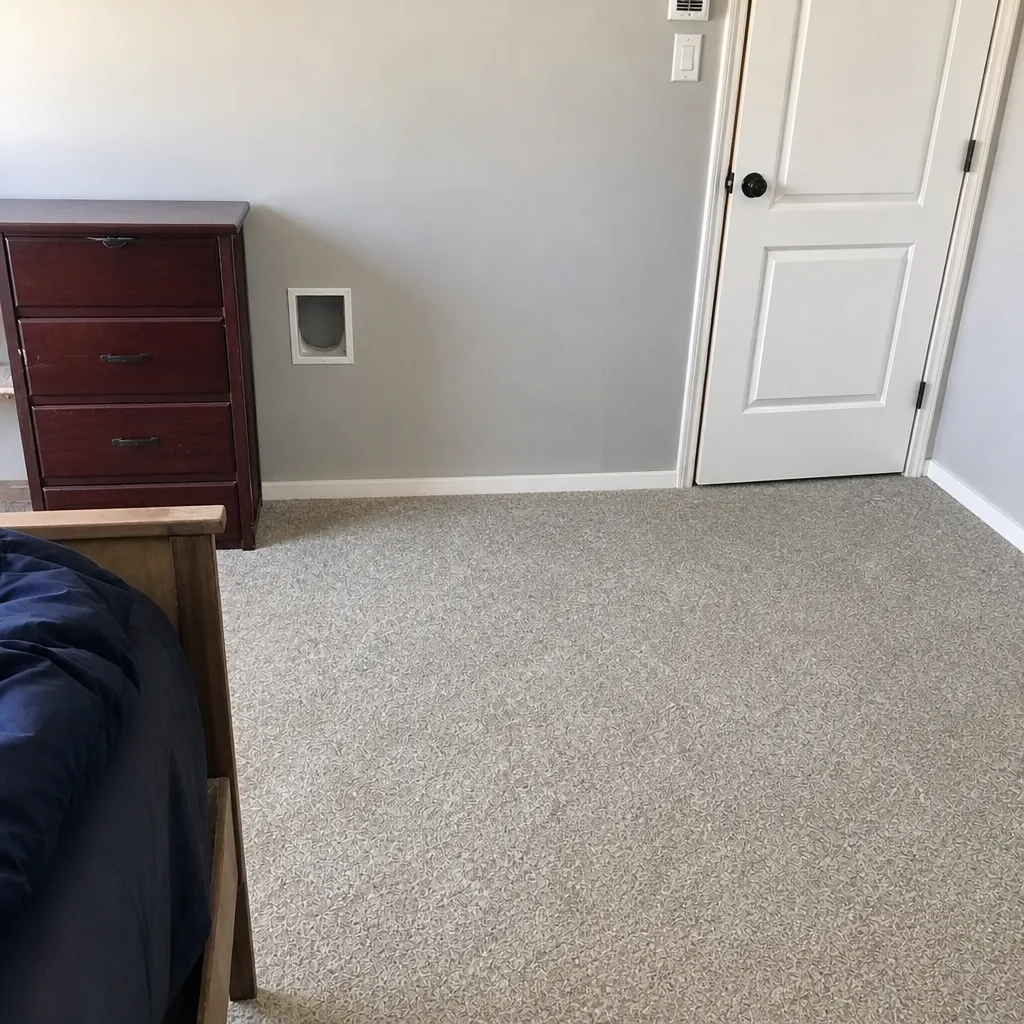 After
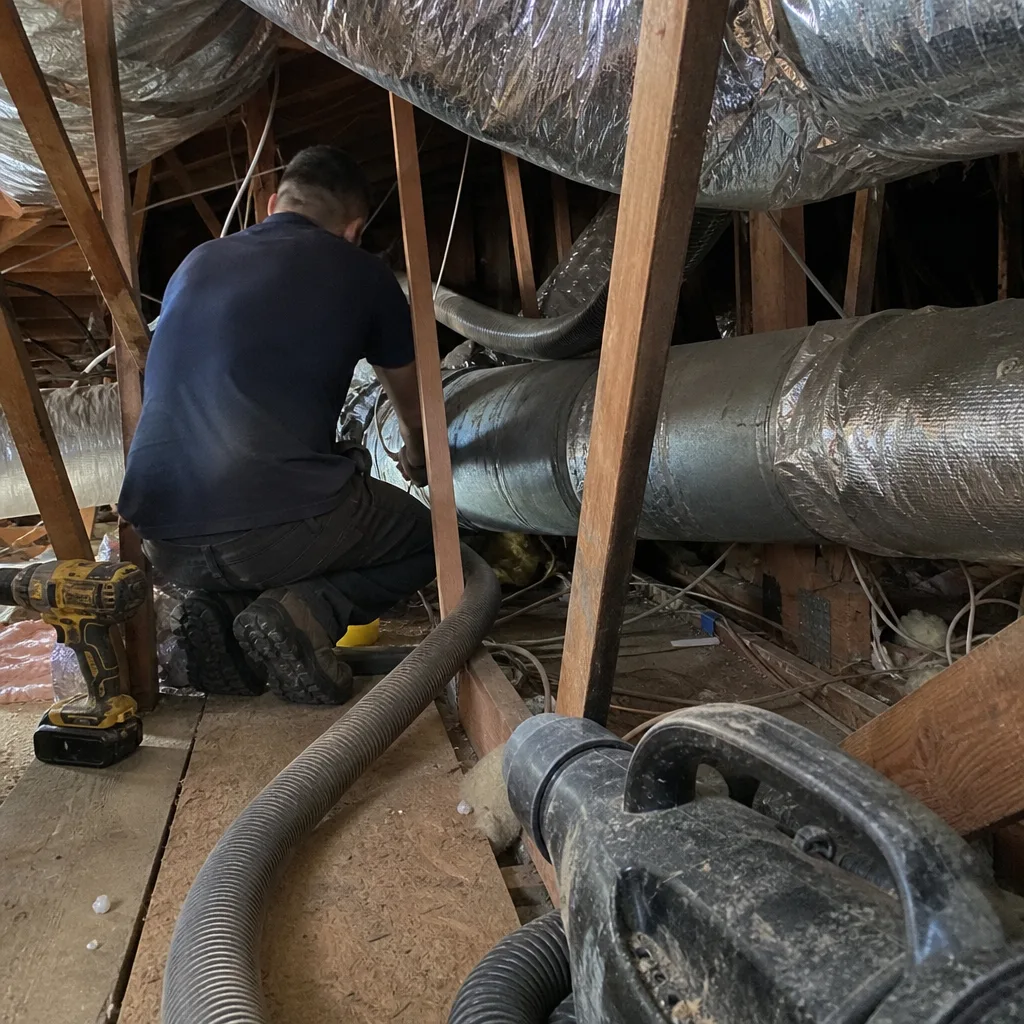 Before
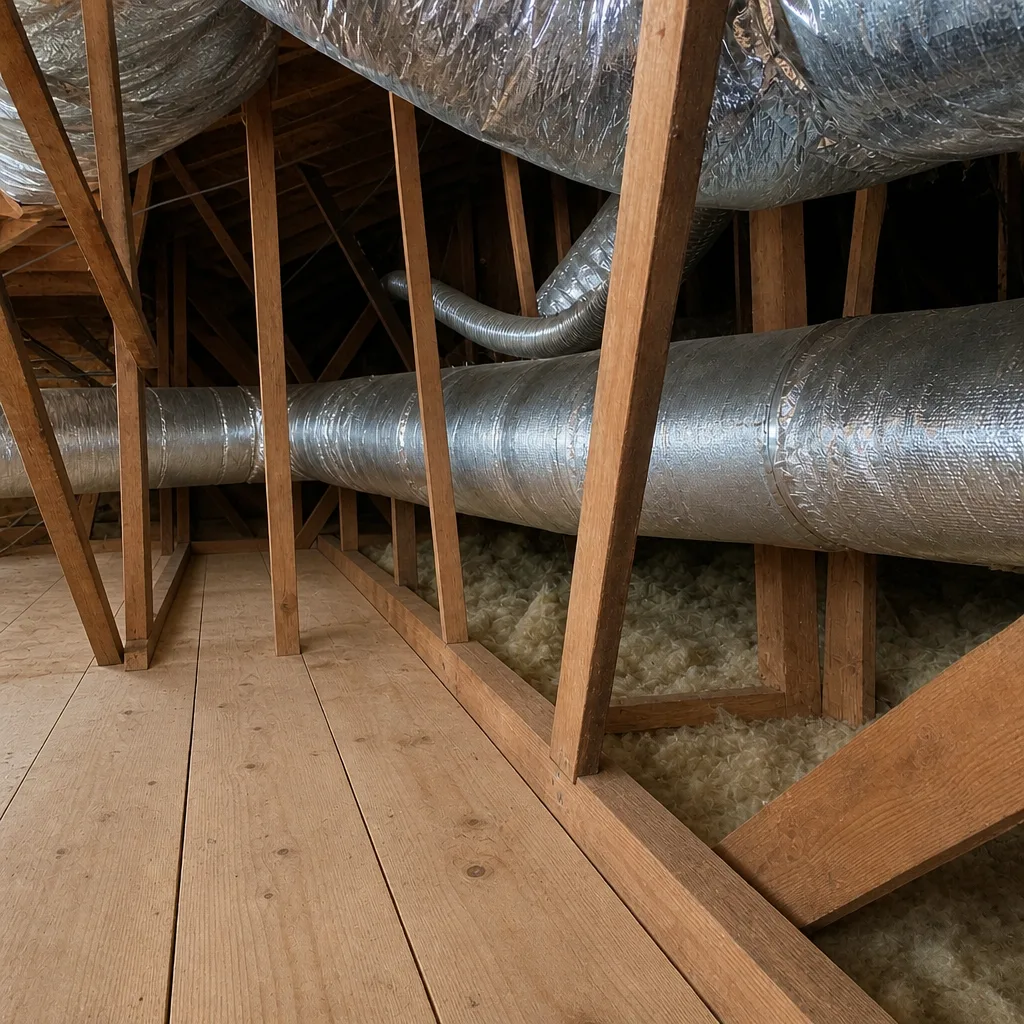 After
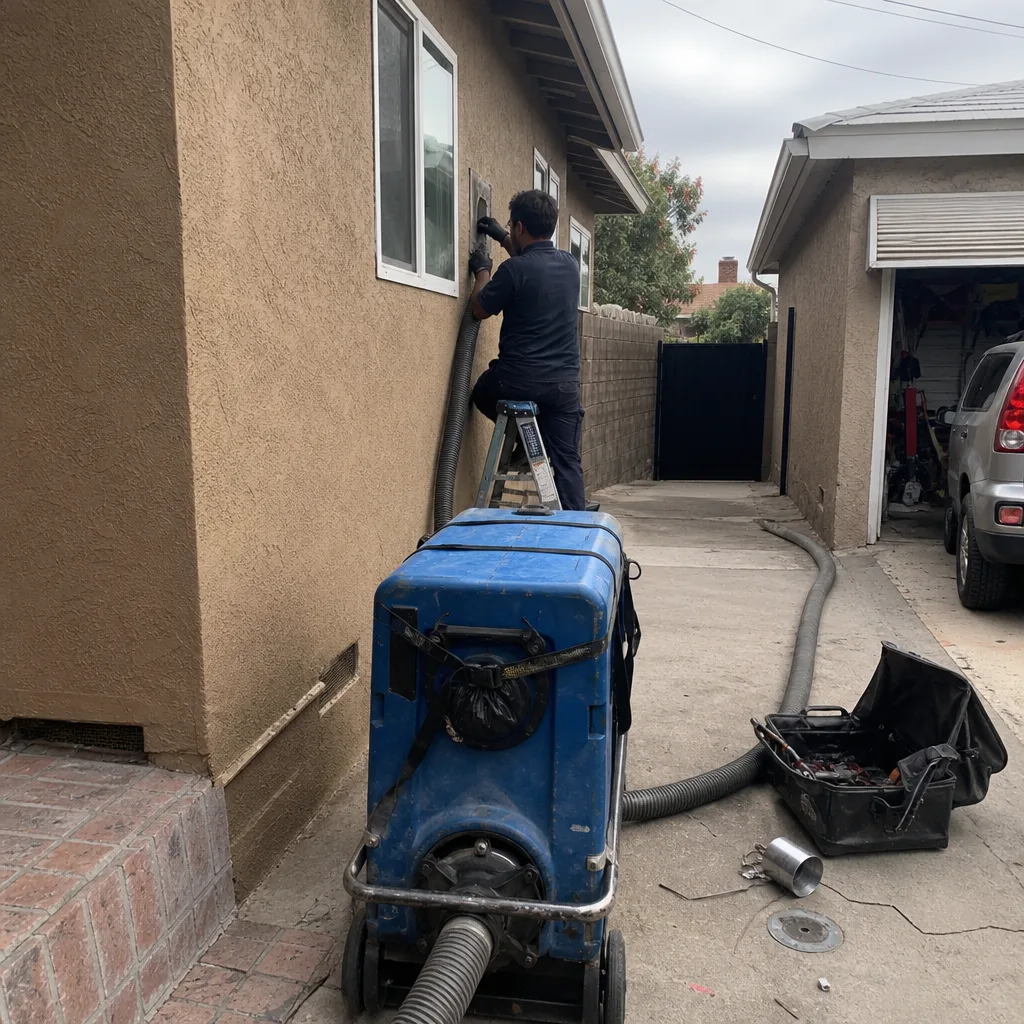 Before
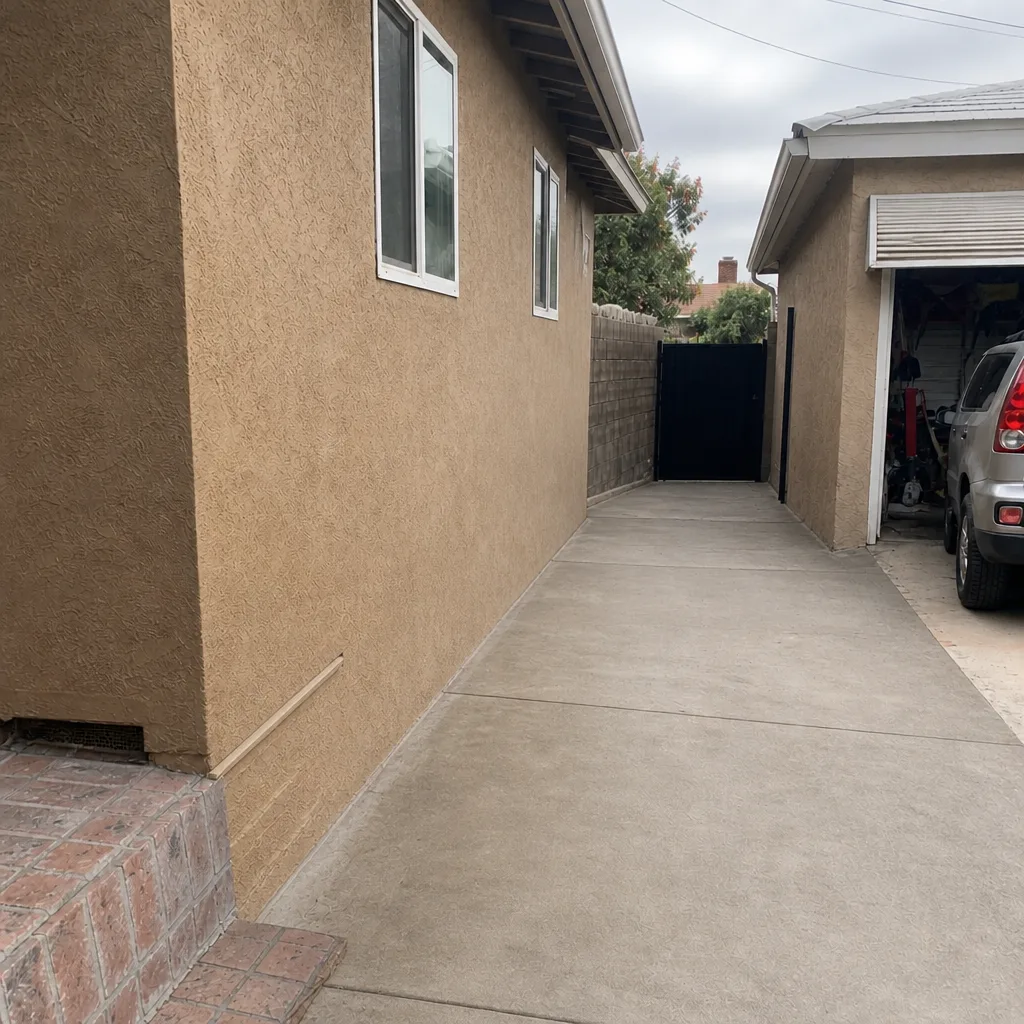 After