
Last updated November 24, 2026
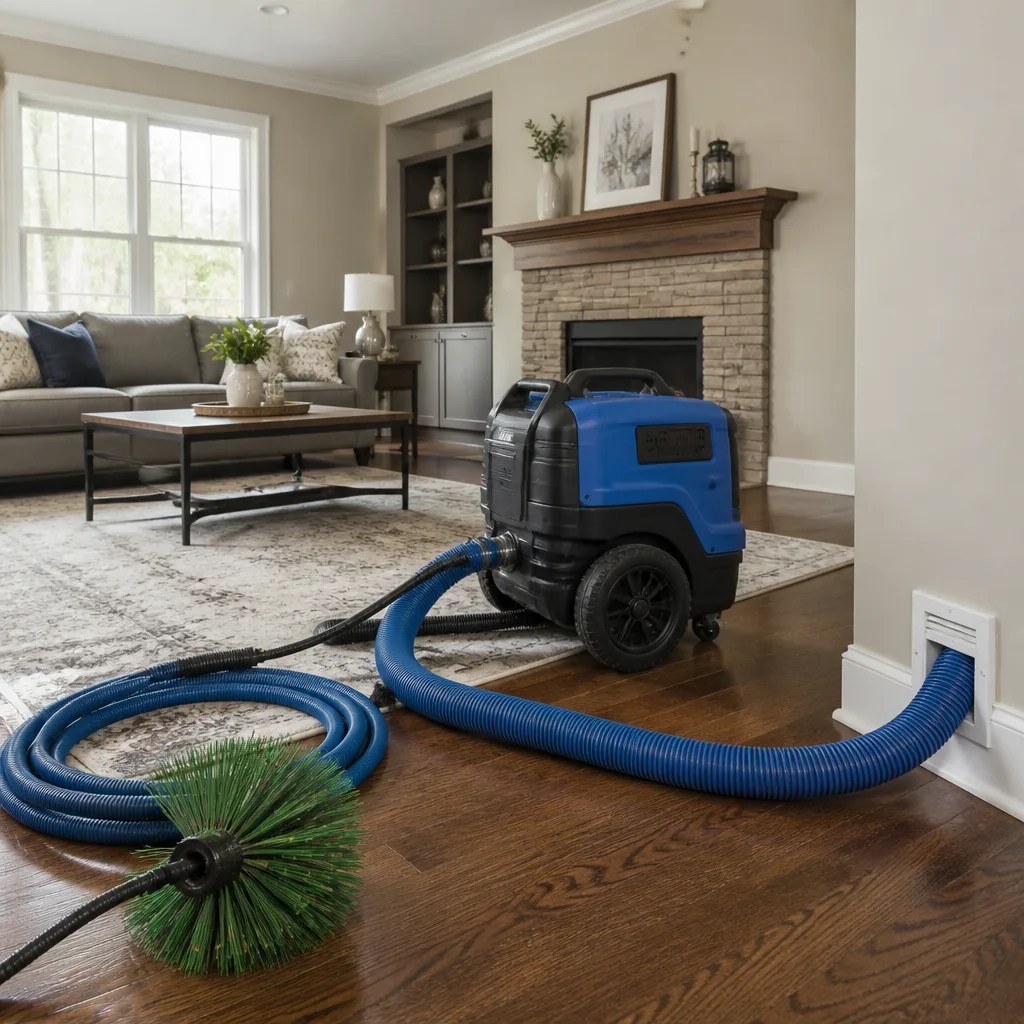 Whole-home duct cleaning
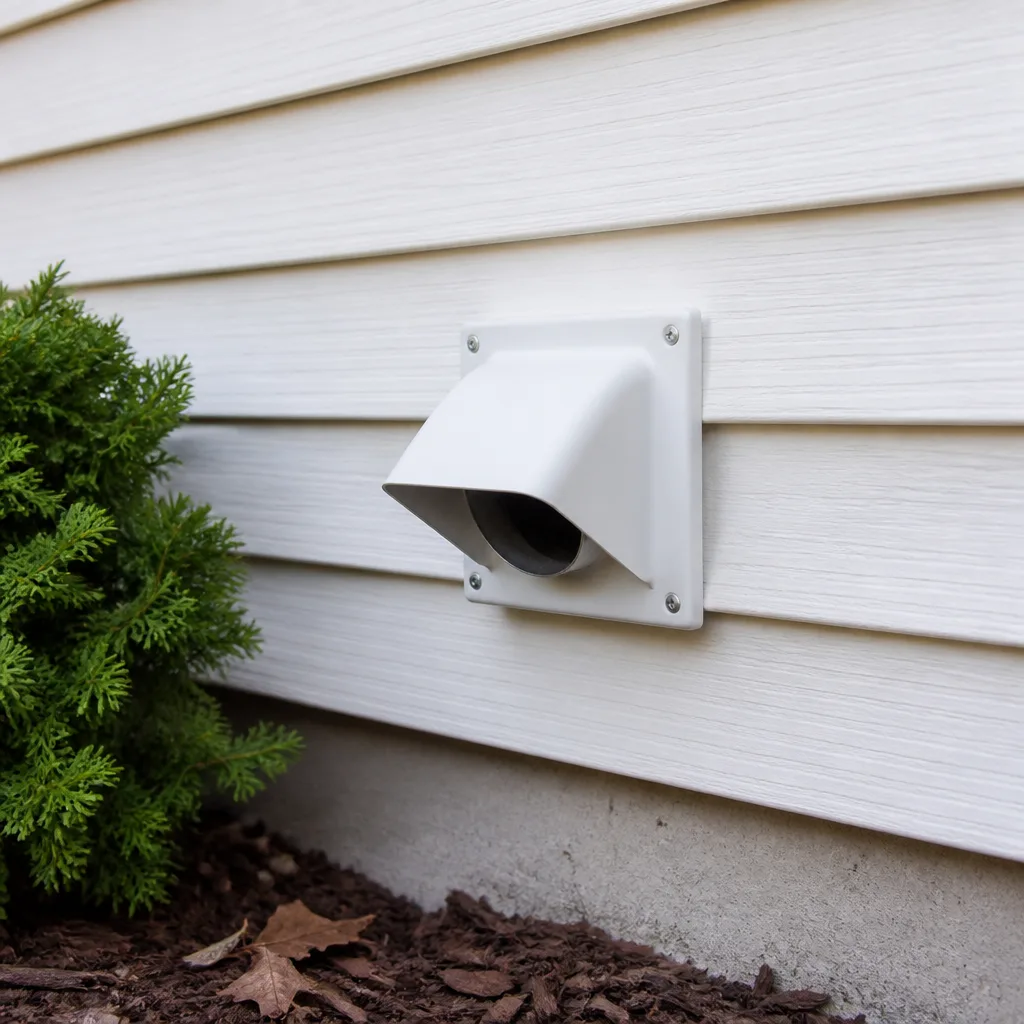 Dryer vent cleaning
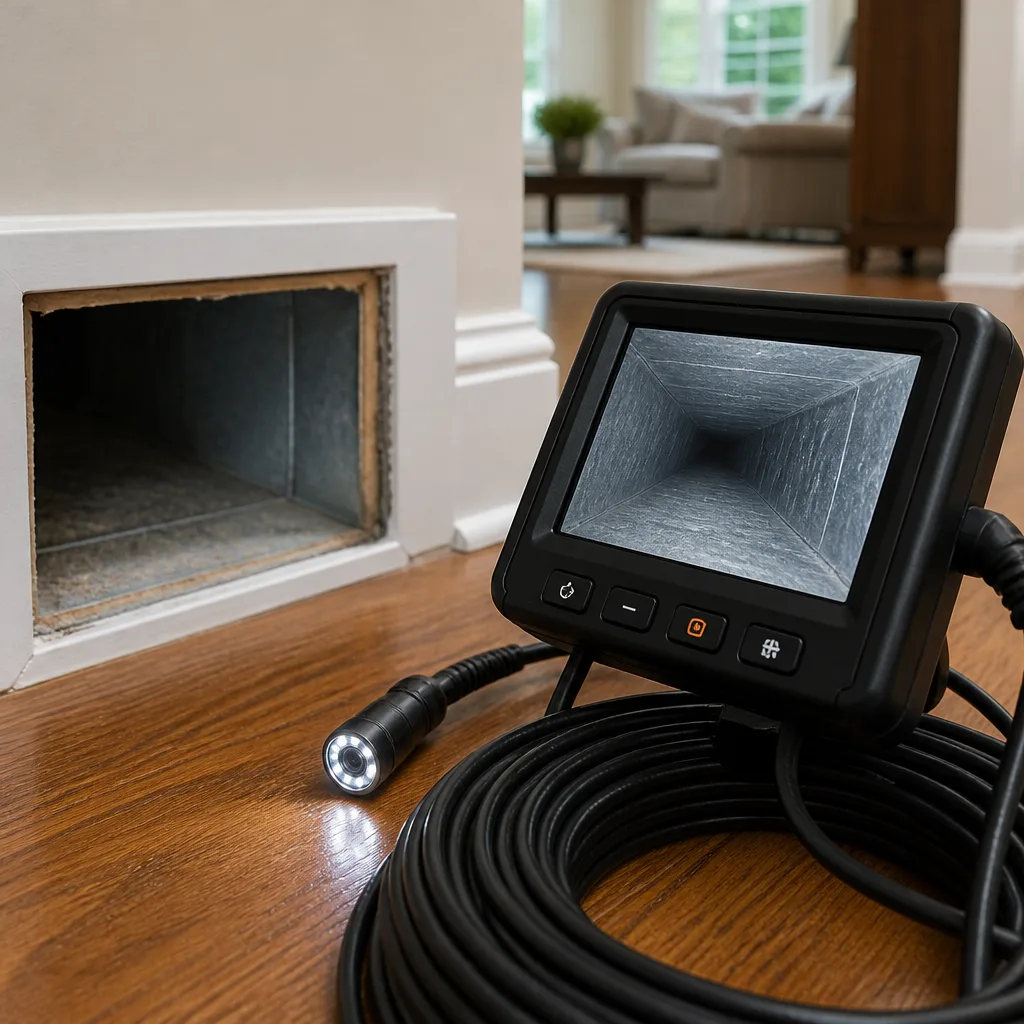 Camera inspection
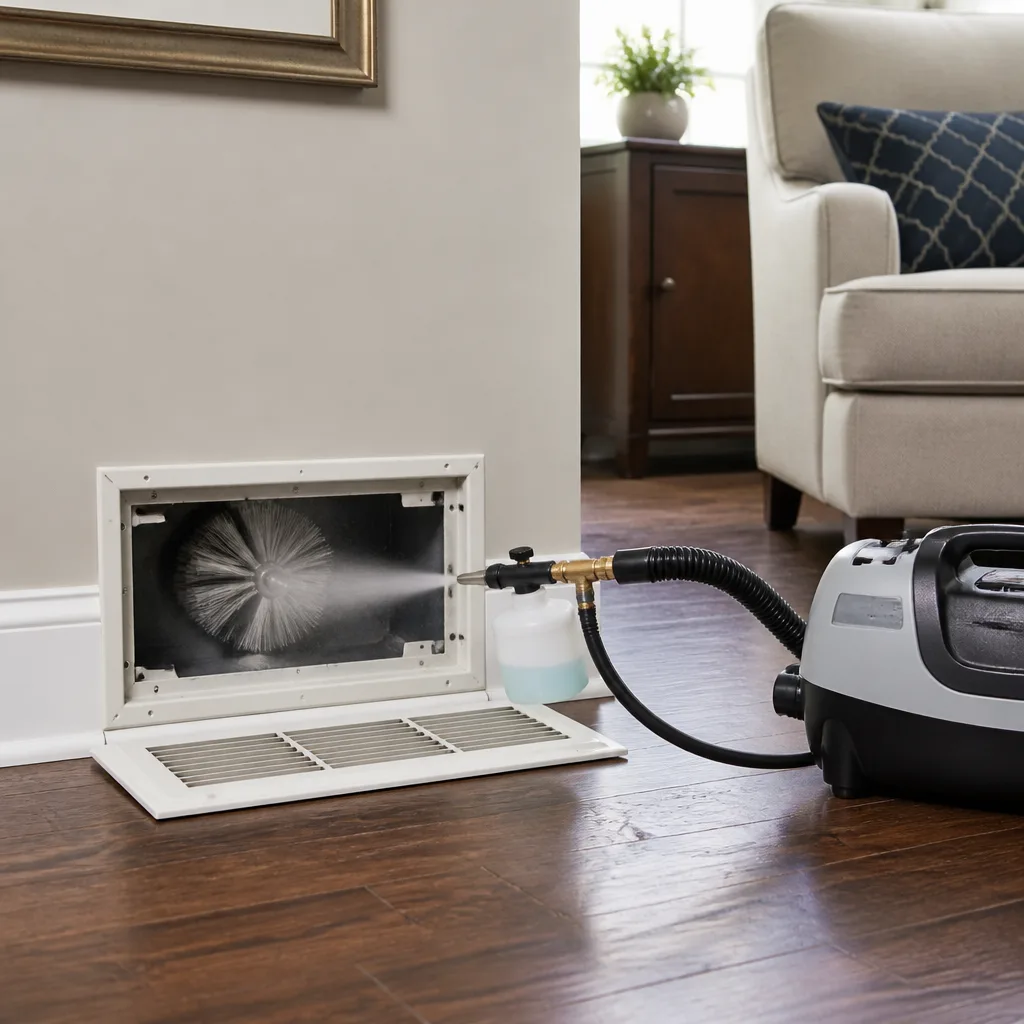 Sanitizing & deodorizing
Whole-system duct and dryer vent check with before-and-after photos - you see exactly what came out of your vents
That "$99 whole-house special" is a bait ad - the real number appears once they are in your hallway, or the "clean" is a shop-vac at the register. We photograph the inside of your ducts before and after instead.
DIY vs Professional Air Duct Cleaning: The West Anaheim Homeowner’s Decision Guide
A shop vac taped to a floor register pulls roughly 90 cubic feet per minute of air. The negative air machine a professional duct cleaning contractor runs pulls 4,000 to 8,000 CFM through the same system. That gap is the whole debate in one number. DIY duct cleaning doesn’t clean ducts. It cleans the face of the register and whatever loose dust happens to be sitting within reach of the hose. We wrote this guide for West Anaheim homeowners who want to make the call based on what actually happens inside the duct trunk, not on a side-by-side of two price tags.
Quick Answer
DIY air duct cleaning can handle surface work at the register and grille, but it cannot remove settled debris from inside the duct trunk because household vacuums lack the airflow and negative pressure to move it. Professional cleaning uses rotary agitation plus high-volume negative air extraction to pull contamination out of the system rather than push it around. For a typical West Anaheim home, professional cleaning is the right call whenever there’s visible debris, post-renovation dust, pest activity, or ductwork that’s been in place for decades.
Styles & brands we work with
- Whole-home duct cleaning
- Dryer vent cleaning
- Camera inspection
- Sanitizing & deodorizing
Table of Contents
- The Physics of Duct Cleaning: What CFM Actually Does
- What DIY Duct Cleaning Genuinely Handles Well
- Why Partial Cleaning Can Make Air Quality Worse
- West Anaheim Cases Where Professional Cleaning Isn’t Optional
- Cost vs. Outcome: An Honest Comparison
- What a Proper Professional Cleaning Actually Involves
- How to Choose a Duct Cleaner Who Won’t Cut Corners
- Common Mistakes to Avoid
The Physics of Duct Cleaning: What CFM Actually Does
Airflow is the whole game in duct cleaning. Every cleaning method has to overcome two things: the adhesion holding dust to the duct wall, and gravity holding heavier debris on the bottom of the trunk line. A consumer vacuum generates a small fraction of the airflow a professional machine produces, and that gap isn’t a marketing detail. It’s the physical reason DIY work stays at the register.
Here’s how the numbers break down inside a real residential duct system:
- Shop vac at a register: roughly 90 to 150 CFM of suction, concentrated at one opening. The vacuum can pull surface dust off the grille and the first few inches of the branch, but static pressure inside the duct absorbs the airflow within a couple of feet.
- Professional negative air machine: the 4,000 to 8,000 CFM range. The machine connects to the main trunk and creates a pressure differential across the entire system, so the whole duct run is under negative pressure at once.
- The pressure differential is what matters: when the entire ductwork is under negative pressure, contaminated air moves out toward the machine, not into the living space. When you clean one register at a time with a shop vac, dust in the rest of the system stays where it was.
Contact cleaning is the second half of the story. Professional systems use a rotary brush or air whip that physically agitates the duct wall as the extraction pulls air through. The agitation breaks loose dust that’s bonded to the metal, and the negative pressure carries it out. A shop vac hose can’t reach past the branch, can’t spin a brush inside a 6-inch trunk, and can’t create the pressure differential to remove what it does loosen. Rotobrush rotary systems and Nikro negative-air extraction equipment exist exactly because the physics of duct cleaning can’t be solved with a hose and a nozzle.
In our experience cleaning HVAC systems across West Anaheim, the debris we find in older ductwork rarely lives at the register. It’s settled on the bottom of the trunk line, at the transitions, and at the plenum where the air handler connects. That’s the material a proper professional air duct cleaning West Anaheim job is designed to remove, and it’s the material DIY work never touches.
What DIY Duct Cleaning Genuinely Handles Well
Some duct-related maintenance is genuinely worth doing yourself. Register and grille cleaning, filter upgrades, and dryer vent clearing are all tasks a homeowner with the right tools can do safely, and they produce measurable results when done correctly. We’d rather tell you what to skip the call for than pretend everything in the duct pathway requires a professional.
Here’s what’s worth doing yourself:
- Remove, wash, and reinstall register grilles. Most supply and return grilles pop off with two screws. A wet cloth, mild dish soap, and a drying rack in the sun will strip the visible dust film in 20 minutes. This alone improves the look of the grille and reduces the dust that gets blown back into the room.
- Change the HVAC filter on schedule. A pleated filter in the 1-inch slot typical of West Anaheim homes should be replaced every 60 to 90 days, sooner during allergy season or if you have pets. Upgrading to a mid-MERV pleated filter (in the 1-inch slot, stay around MERV 8 to MERV 11 so you don’t starve airflow) is one of the highest-value air quality moves a homeowner can make.
- Clear the lint trap and dryer vent run. Pull the dryer out, disconnect the vent, and clear what you can reach from both ends. Check the outdoor termination flap works and the flexible duct isn’t crushed or kinked. If you can’t get a brush through the full run, that’s the point to call for a dedicated dryer vent cleaning visit.
- Vacuum the return air grille and its immediate chamber. A HEPA shop vac with a soft brush attachment can pull dust off the return grille and the first few inches of the return box without pushing debris deeper.
What DIY cannot accomplish: cleaning the trunk line, cleaning the plenum, cleaning the air handler cabinet interior, sanitizing the duct interior, or repairing duct runs with leakage or disconnected joints. Those are equipment jobs. The equipment required is exactly the kind of machinery that’s rated for commercial use and deployed residentially by specialists. If you’re not sure which list you’re on, a filter change plus a grille wash gets you the DIY value, and a professional assessment confirms whether anything deeper is warranted.
If your interest in a professional cleaning is mainly about the HVAC side of the pathway, our HVAC cleaning page covers the equipment cabinet, coil, and blower cleaning that go beyond the duct run itself.
Why Partial Cleaning Can Make Air Quality Worse
Here’s the counterintuitive part. A half-finished duct cleaning can leave the house with worse air quality than it had before the work started. The reason is that partial disturbance of settled dust doesn’t remove it – it re-suspends it, and the HVAC system then pushes it into the living space on the next heating or cooling cycle. That’s the opposite of the desired outcome.
The mechanism is straightforward. Debris that’s been sitting on the bottom of the trunk line is only a problem in the sense that it’s a reservoir. It stays put as long as the airflow through the duct is gentle. When someone agitates one section without extracting from the whole system under negative pressure, that reservoir gets broken up and the fine particles – the ones that hang in the air longest and get into lungs most easily – enter the supply air path and come out of the registers around the house.
Three situations where this is especially likely:
- Shop vac work at multiple registers in sequence. Each vacuum pass agitates dust, and the system keeps running, so the dust travels. The homeowner sees cleaner grilles and feels worse air.
- DIY “air compressor blow-out” attempts. A homeowner aiming compressed air into a duct blows loose dust into whichever direction the air goes – often back toward the air handler and into the house.
- Removing interior duct access panels without negative pressure extraction in place. Opening the plenum cabinet while the system runs is the classic way to spread contamination through the house.
This is the reason professional cleaning is done with the system off, the main trunk tied into a negative air machine, and extraction running *before* any agitation starts. Contamination in, air out, in that order. That sequence is the safety net for a job done right, and it’s not a sequence DIY work can reproduce. We use Abatement Technologies contaminant-control filtration on every job for exactly that reason – so the particles that come loose get captured at the machine, not redistributed through your living room.
West Anaheim Cases Where Professional Cleaning Isn’t Optional
West Anaheim has a lot of homes built in the 1960s and 1970s, and that housing stock shapes the duct cleaning conversation. Original sheet-metal ductwork from that era accumulates decades of settled debris, and many of those homes have had at least one renovation or room addition along the way. Add the inland warmth of Anaheim summers – the air conditioning runs a long, heavy season from late spring through early fall – and the duct system works harder and pulls more airborne dust than it would in a milder climate.
Five scenarios specific to West Anaheim where professional cleaning is not optional:
- Post-renovation debris. Drywall dust, sawdust, insulation fibers, and construction grit from a kitchen remodel or room addition can settle deep into the duct system and stay there. The fine drywall dust in particular is difficult for a household vacuum to remove and easy for HVAC airflow to lift back out.
- Rodent activity in the attic or crawspace duct runs. Rodents leave droppings, urine, and nesting material inside ductwork, and that material is a genuine health concern. Cleaning requires HEPA-rated filtration and negative pressure, plus post-clean sanitizing – not a shop vac.
- Confirmed mold presence. If you’ve seen visible mold inside a duct or around registers, or a musty smell returns every cooling season, the ducting needs source removal, not surface wipe-down. Mold inside duct lining can spread and needs a proper abatement-grade approach.
- Original 1970s ductwork never cleaned. Decades of undisturbed accumulation in the trunk lines is the classic case for a full professional cleaning. The volume of settled debris alone in many of these homes justifies pulling the trunk apart cleanly rather than trying to spot-clean grilles.
- Recent air handler or HVAC replacement. When the air handler or blower gets replaced, the duct system immediately downstream of it deserves cleaning to remove debris the old equipment may have left and to confirm no dust slugs the new blower.
Outside those five, a West Anaheim homeowner with a newer home, a clean filter rotation, and no visible evidence of debris may not need professional cleaning right now. That’s an honest answer. A free assessment tells you which list you’re on rather than selling you a cleaning you don’t need.
Cost vs. Outcome: An Honest Comparison
A $40 DIY attempt and a professional duct cleaning are not the same product at two different prices. They produce different outcomes. Here’s the comparison with neither side inflated.
What $40 to $100 of DIY buys you: a shop vac, a brush attachment, and a Saturday afternoon. You’ll get cleaner registers, a cleaner return grille face, and possibly a small amount of dust removed from the first few inches of each branch duct. You will not get cleaner trunk lines, a cleaner plenum, sanitized duct interiors, or any improvement to airflow distribution through the system. If your starting point is “grilles collect dust and I want the visible dust gone,” DIY is a real answer.
What a professional whole-system cleaning buys you: mechanical agitation of the entire duct run via rotary brush, high-volume negative pressure extraction of everything that comes loose, a clean air handler cabinet and plenum, and post-clean sanitizing as the standard final step. The deliverable is a duct system that starts from a clean baseline, with before-and-after photos of your own ducts so you can see what was removed.
The reason this matters: a DIY attempt and a professional cleaning have very different repeat intervals. Registers washed DIY will need washing again in two to four months. A duct system properly cleaned by a professional stays clean for years in most homes, assuming the filter rotation and register maintenance continue. Priced out per year of cleaning result, the math usually favors doing it right once.
Typical pricing for a full professional cleaning is set per job by a written estimate rather than by the number of vents or a teaser coupon price. We quote whole-system (all registers, all returns, the main trunk, and the air handler) because that’s the job that produces a real result. If a quote is dramatically lower than everyone else’s, ask what’s included in the scope – the difference is almost always “some registers” versus “the whole system,” and the low number isn’t a bargain once that’s clear.
What a Proper Professional Cleaning Actually Involves
A real professional duct cleaning is a 2- to 4-hour job in a typical West Anaheim home and follows a specific sequence. If the sequence looks different from this when the crew shows up, ask why. The order of operations is what separates a professional job from a fancy-looking DIY attempt.
- Pre-clean inspection and photo documentation. Before anything gets touched, the technician photographs duct interiors at the main trunk and a few branches, and checks the air handler and coil condition. Those photos are also the “before” side of the comparison at the end.
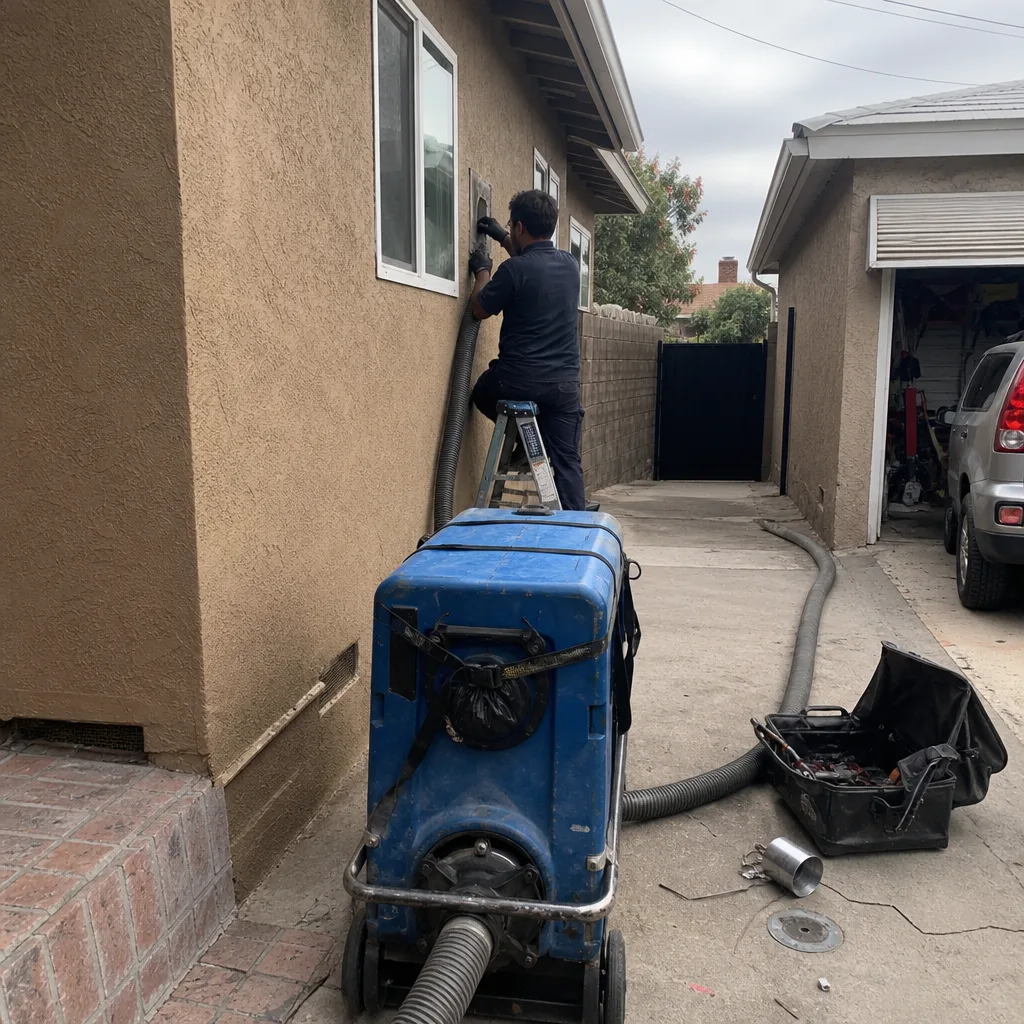
- Set up negative air and containment. The main trunk is connected to a Nikro negative air machine or equivalent, and the air handler registers are sealed so the whole system is under controlled negative pressure. Abatement Technologies filtration runs on the exhaust side to capture the particles that come out.
- Mechanical agitation of the entire duct run. A Rotobrush rotary brush system works through every supply and return, agitating the duct wall while negative pressure extracts the loosened debris. This step is where the CFM and the brush contact together do the actual cleaning.
- Air handler cabinet and blower cleaning. The blower wheel, coil face, and cabinet interior are cleaned separately. Dust that lands on the evaporator coil degrades the system’s efficiency and it’s easy to skip if the scope is “ducts only.”
- Duct repair and sealing where needed. Any disconnected joints, crushed flex, or visible leakage is flagged and repaired – or quoted for a follow-up visit if it’s more involved than the cleaning appointment can handle.
- Sanitizing. A post-clean application using a product line like Honeywell or Aprilaire filtration and sanitizing solutions finishes the job. Sanitizing is the final step of a proper clean, not a stand-alone upgrade tacked on at the end.
- Post-clean photo documentation. The technician photographs the same duct interiors as step 1. That comparison – before and after, same locations – is the proof the work happened.
The whole sequence can also include Guardsman protective treatments for post-clean duct surfaces. Those treatments don’t replace cleaning; they sit on top of a clean duct and help keep it that way. Equipment matters here: a crew that shows up with a shop vac and a promise is doing the $40 DIY job at a professional price. A crew with commercial-grade extraction, rotary agitation, and contaminant filtration is doing the job the equipment was built for.
How to Choose a Duct Cleaner Who Won’t Cut Corners
The industry has a real reputation problem, and West Anaheim homeowners have good reason to be skeptical. Bait-and-switch coupon prices are common. So are “cleanings” that turn out to be a vacuum pass over the return grille and a sales pitch for a sanitizing upgrade. Five questions that separate a proper job from a coupon:
- “What’s your equipment?” A legitimate answer names actual professional systems – Rotobrush, Nikro, Abatement Technologies – rather than a “high-powered vacuum.” If the answer is vague, the equipment probably is too.
- “Is the price quoted per job or per vent?” Per-vent pricing rewards cutting corners on smaller branches. A flat price per system, agreed before the work starts, is the cleaner answer.
- “Will you show me before-and-after photos of my ducts?” Photos taken at the same duct location before and after the clean are the single most reliable proof of work done. Ask to see the before photo of the main trunk.
- “What’s the scope – ducts only, or the air handler too?” Duct cleaning that leaves the blower wheel and coil untouched is a partial job. The air handler is the machine that distributes whatever is left in the ducts.
- “Are you licensed and insured as the state requires?” Confirm the crew you hire carries the licensing and insurance their state requires. If they can’t answer clearly, that’s your answer.
If you’re concerned about your dryer vent as part of the same visit, ask explicitly. Dryer vents are a fire risk, not a maintenance afterthought, and a duct cleaning crew that skips them is skipping one of the highest-consequence pieces of the air pathway. If you also want the coil and blower checked as a separate scope, our air duct cleaning page covers what’s included when the full pathway is on the table.
Common Mistakes to Avoid
- Attaching a shop vac to a register and calling it a cleaning. The vacuum cleans the grille face and the first few inches of branch; the trunk stays untouched, and the resulting airflow disturbance can worsen indoor air quality short-term.
- Paying a coupon price then saying yes to a bundled sanitizing upsell at the door. A real quote includes the whole-system scope and sanitizing up front – not as a surprise line item once the tech is on site.
- Skipping the air handler while “cleaning the ducts.” The blower wheel and coil hold dust, and a duct-only job leaves a recontamination source inside the system.
- Running the HVAC during a DIY attempt. The system pulls disturbed dust straight into the living space. Turn off the air handler before doing anything at the register.
- Assuming “newer home” means “clean ducts.” Renovation dust, pest activity, and construction fallout can affect ductwork regardless of the home’s age. The assessment decides, not the build year.
- Using an air compressor to “blow out” the ducts. Compressed air agitates dust without capturing it, and the resulting plume is worse than leaving the debris alone.
- Ignoring the dryer vent while doing the duct work. West Anaheim homes run ductwork in tight attic spaces and dryer vents can crush or separate. If the vent is on the schedule, do it during the same appointment.
See the difference
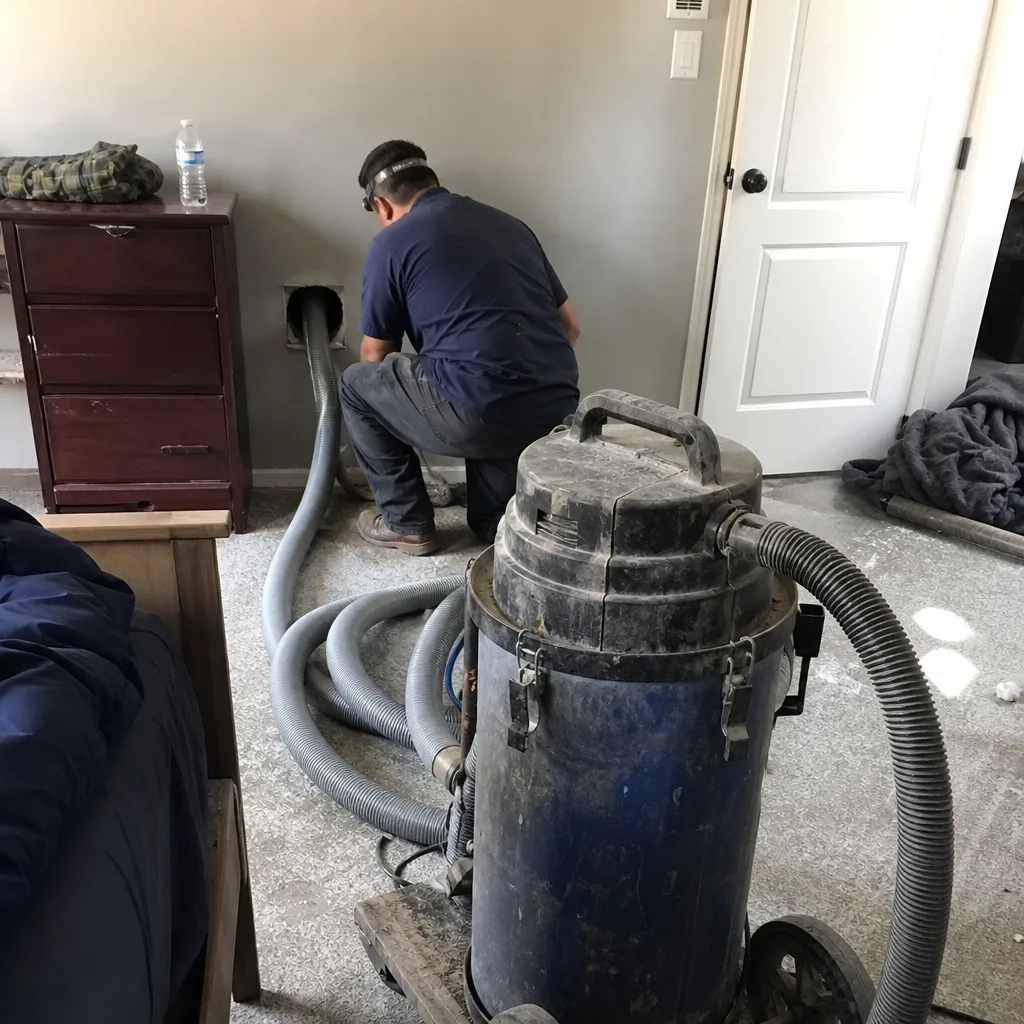 Before
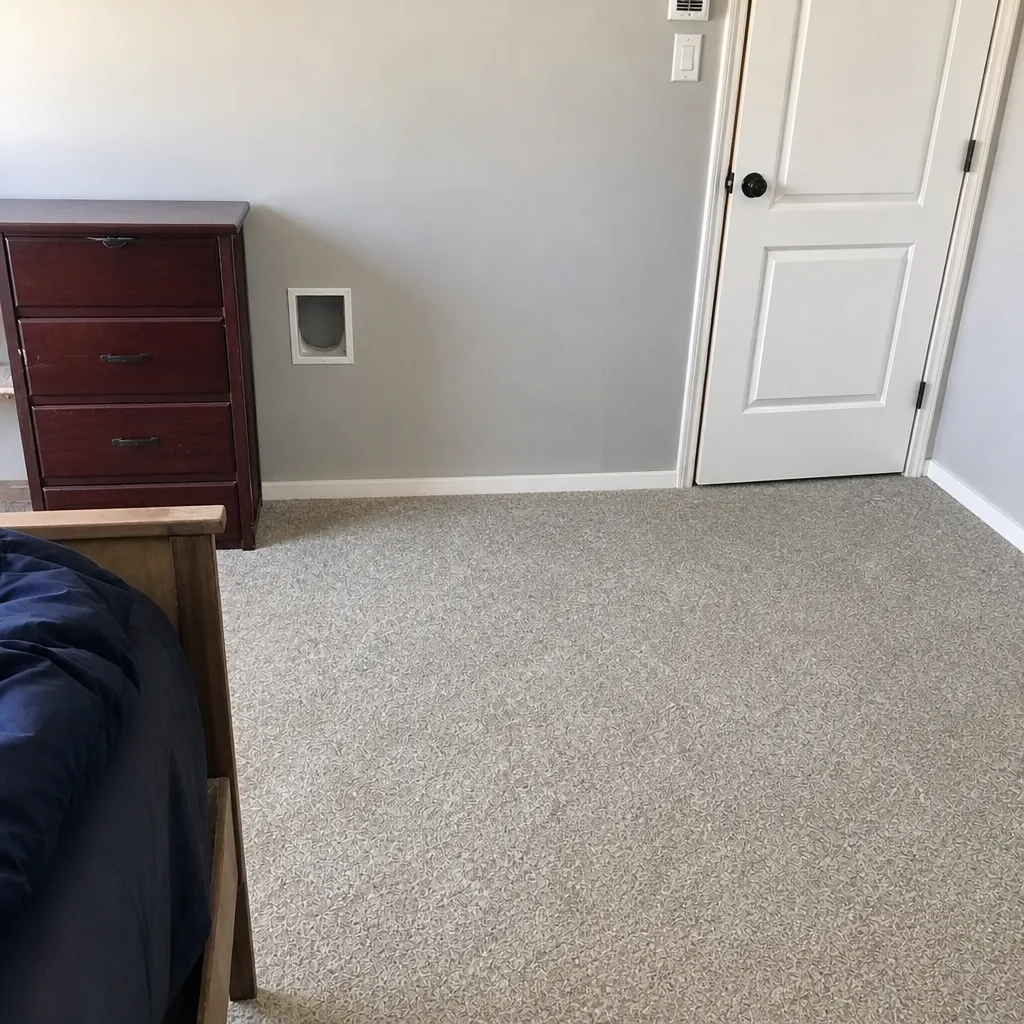 After
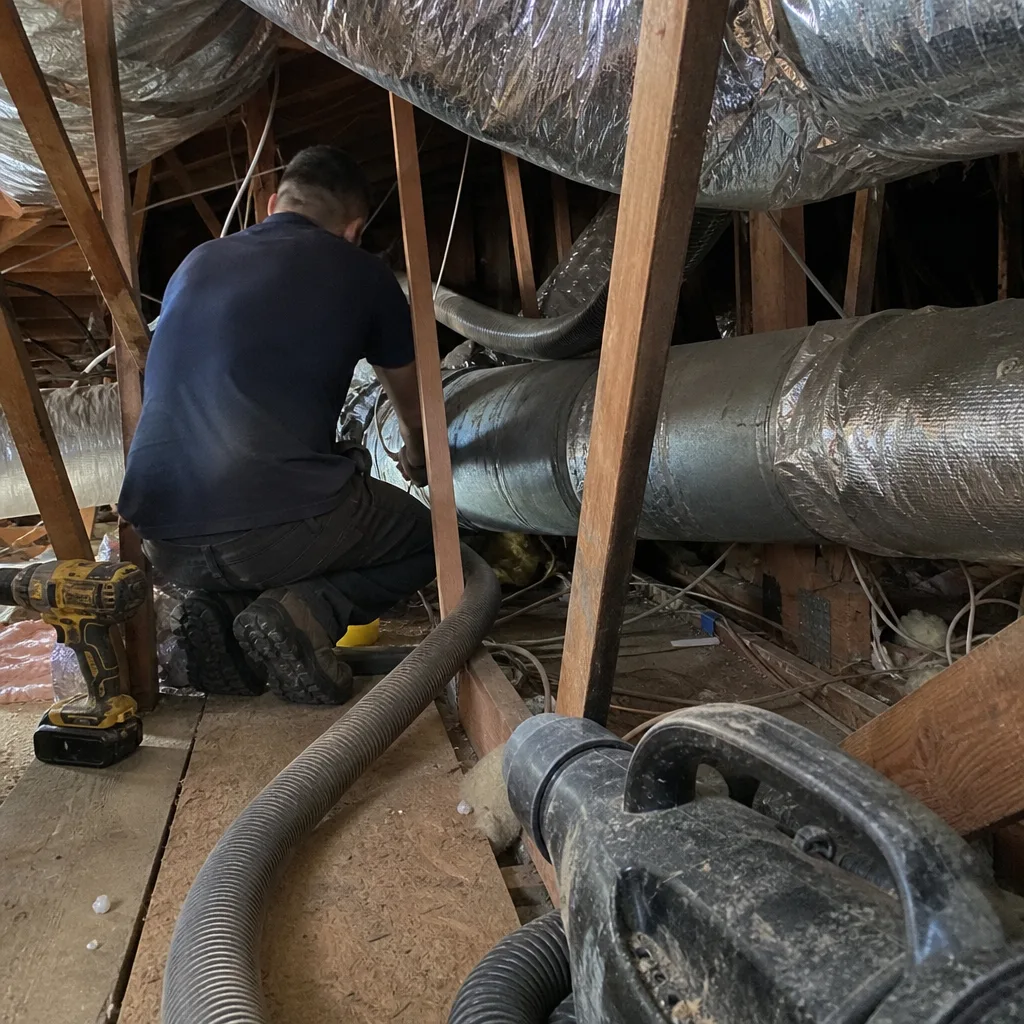 Before
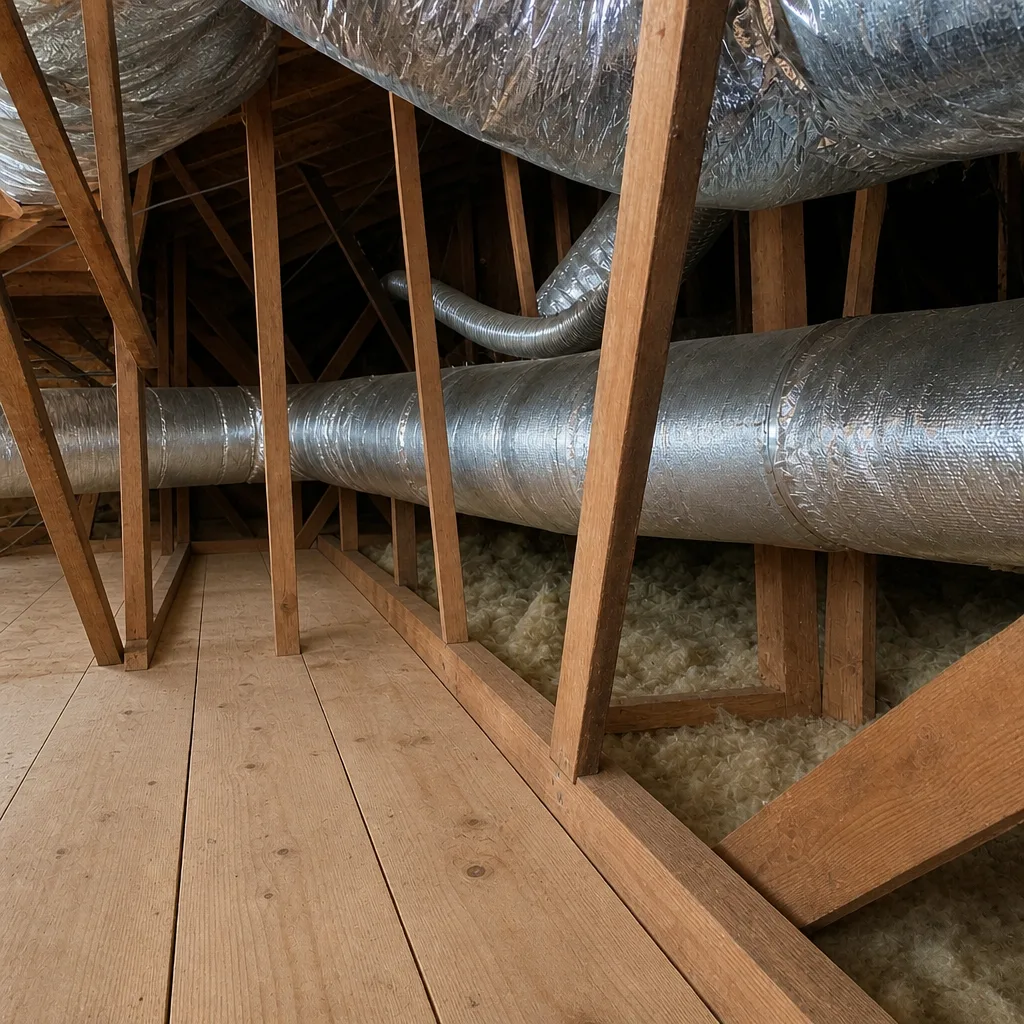 After
 Before
 After
When to Call a Professional
Call a professional for duct cleaning when any of the following apply: you’ve had recent renovation or remodeling work, you’ve seen rodent activity in the attic or crawlspace, you’ve noticed a persistent musty smell or visible mold near a register, the ductwork is original to a home built in the 1960s or 1970s, the air handler or HVAC equipment has been recently replaced, or you’ve noticed dust returning visibly faster than it should after cleaning. Those are the scenarios where the equipment gap between DIY and a proper job changes the outcome.
Air Duct Cleaning West Anaheim offers free estimates in West Anaheim – call (866) 937-8584. We answer 24/7. Fast dispatch from 7am to 7pm, Sunday through Friday. We scope every job as a whole-system clean, walk you through what’s included, and give you a flat price per system before any work starts. Before-and-after photos of your own ducts come with the job, so you’re not taking our word for what got done.
Frequently Asked Questions
Whole-system duct cleaning in West Anaheim is priced per job by a written estimate rather than per vent, and the final price depends on the number of registers, the number of returns, the length of the main trunk, and whether the air handler is included. Anywhere from zero to a few hundred dollars in the wrong direction is a sign the scope isn’t what it appears to be – ask for the written scope before committing. Call (866) 937-8584 for an exact quote – estimates are free.
You can clean the register faces and the first few inches of branch duct with a shop vac, and that’s a genuinely useful bit of maintenance. You cannot clean the trunk lines or the plenum, because a household vacuum produces about 90 to 150 CFM at the register versus the 4,000 to 8,000 CFM a professional negative air machine produces through the whole system. The equipment gap is what makes DIY a grille-cleaning exercise rather than a duct-cleaning one.
Cheap quotes usually cover less. Common shortcuts: pricing per vent so smaller or harder-to-reach branches get skipped, excluding the air handler from scope, skipping post-clean sanitizing, or using a shop vac instead of contaminant-grade negative air equipment. The cheapest quote often turns into the most expensive job because a partial clean has to be repeated. Call (866) 937-8584 for an exact quote – estimates are free.
Before-and-after photos taken at the same duct locations – main trunk, a few supply branches, the return plenum, the air handler cabinet. Those photos are the proof. Ask for the before photo taken at the start of the appointment. If a crew can’t produce them, you can’t confirm much. Call (866) 937-8584 for a quote that includes before-and-after documentation – estimates are free.
Most West Anaheim homes with clean ductwork can go several years between professional cleanings if the filter rotation stays on schedule and registers get washed regularly. Shorter intervals make sense after renovation, after pest activity, after visible mold or a musty smell, or when the ducts are original 1970s sheet metal that’s never been professionally cleaned. A filter change every 60 to 90 days and a yearly register wash between cleanings goes a long way.
Yes, assuming the cleaning was done properly with negative pressure extraction and post-clean sanitizing. The system is clean, the contaminants are removed, and restarting airflow distributes clean air. If the ducts were partially cleaned without negative pressure, run the fan only briefly and check for dust blowing out of registers, since that signals a partial-disturbance problem. When in doubt, call before assuming the air is clean – (866) 937-8584. We answer 24/7.
The Bottom Line
The DIY vs. professional question is a physics question, not a price question. A shop vac at a register cleans the register; a professional negative air machine cleans the ductwork. Do the free parts yourself – wash the grilles, change the filter every 60 to 90 days, keep the dryer vent clear – and call a professional when debris, renovation dust, pest activity, mold, or original 1970s ductwork is on the table. Ask any prospective company for the equipment list, the whole-system scope, and before-and-after photos of your own ducts. That combination is the difference between a clean HVAC system and a cleaner-looking grille with the same debris still sitting in the trunk line.
If you’re ready to schedule, Air Duct Cleaning West Anaheim offers free estimates in West Anaheim. Call (866) 937-8584. We answer 24/7. Fast dispatch from 7am to 7pm, Sunday through Friday. Our technicians have up to 11 years of experience and work with professional equipment from Rotobrush, Nikro, Abatement Technologies, and Honeywell or Aprilaire filtration and sanitizing product lines. We scope every job as a flat price per system agreed before work starts, and deliver before-and-after photos of your own ducts when the clean is done.
Written by the team at Air Duct Cleaning West Anaheim.