
Last updated November 24, 2026
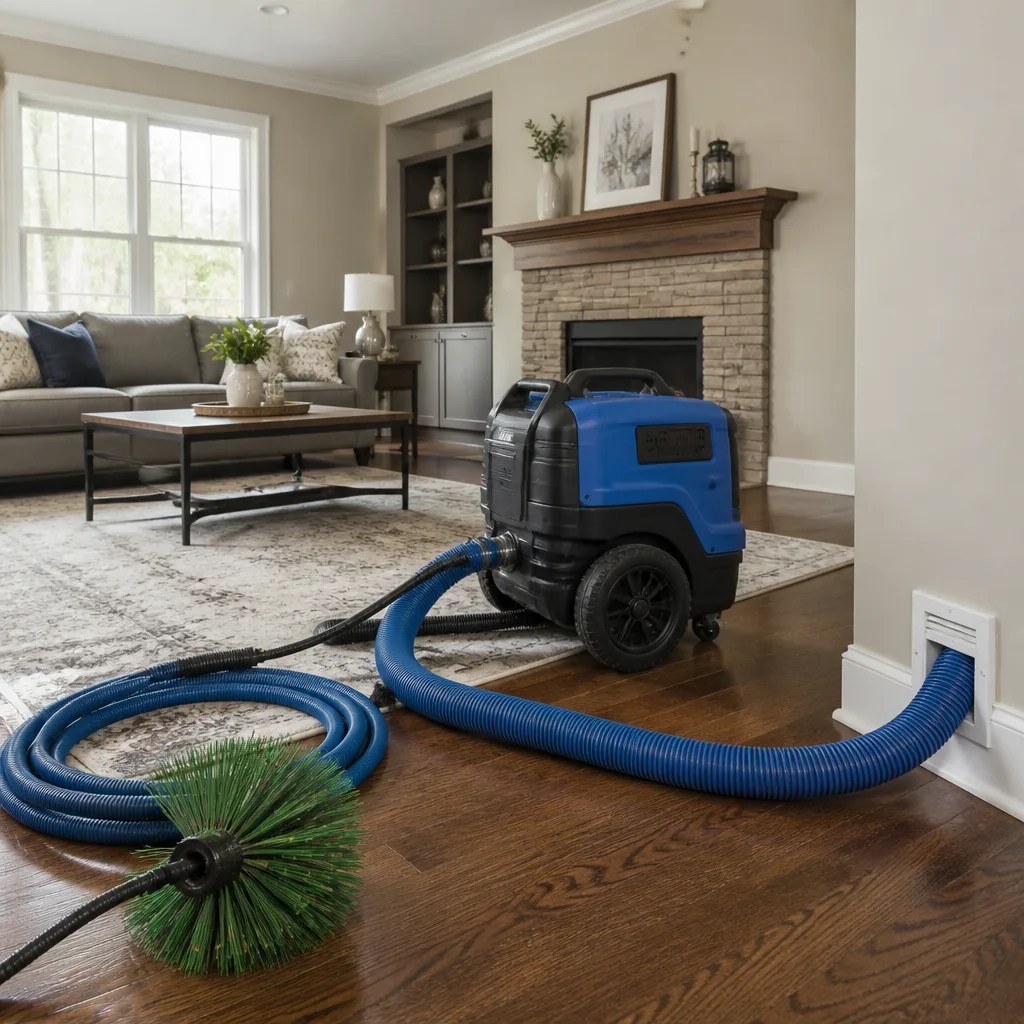 Whole-home duct cleaning
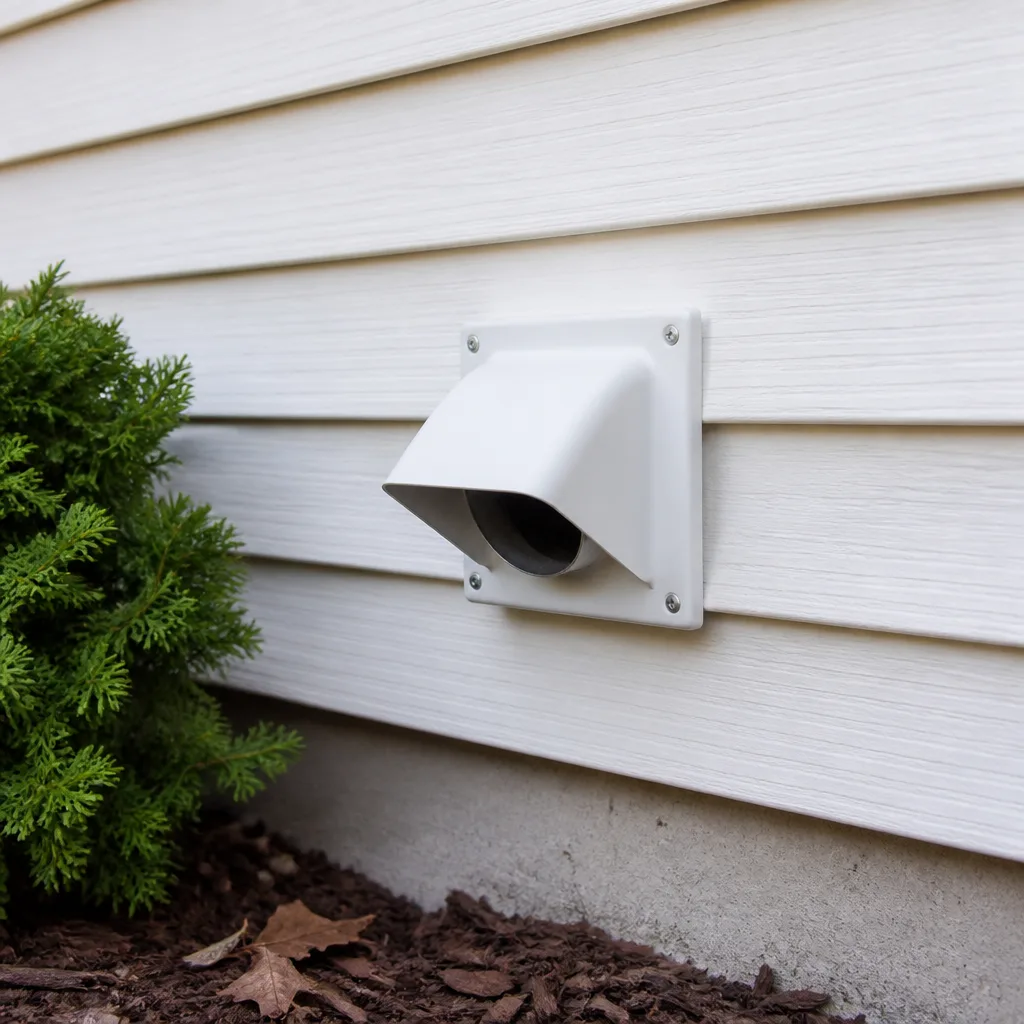 Dryer vent cleaning
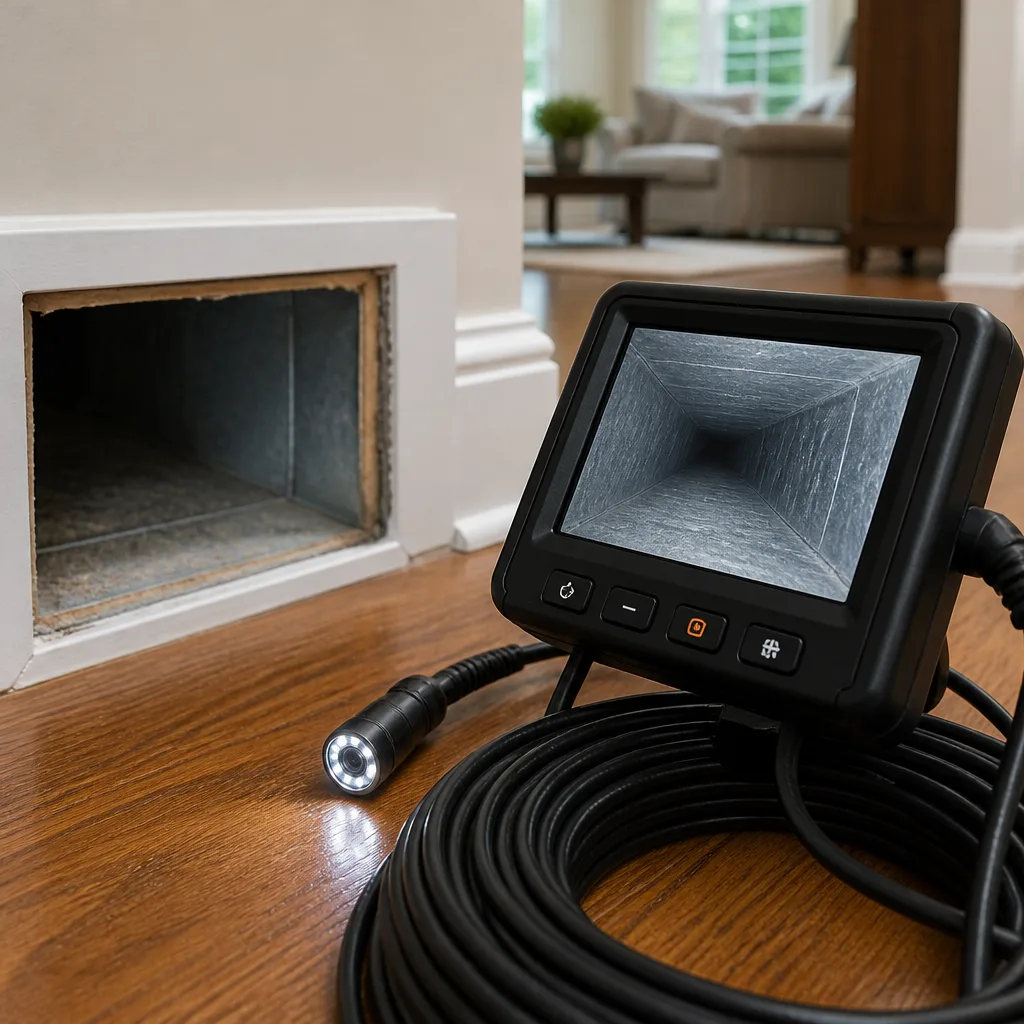 Camera inspection
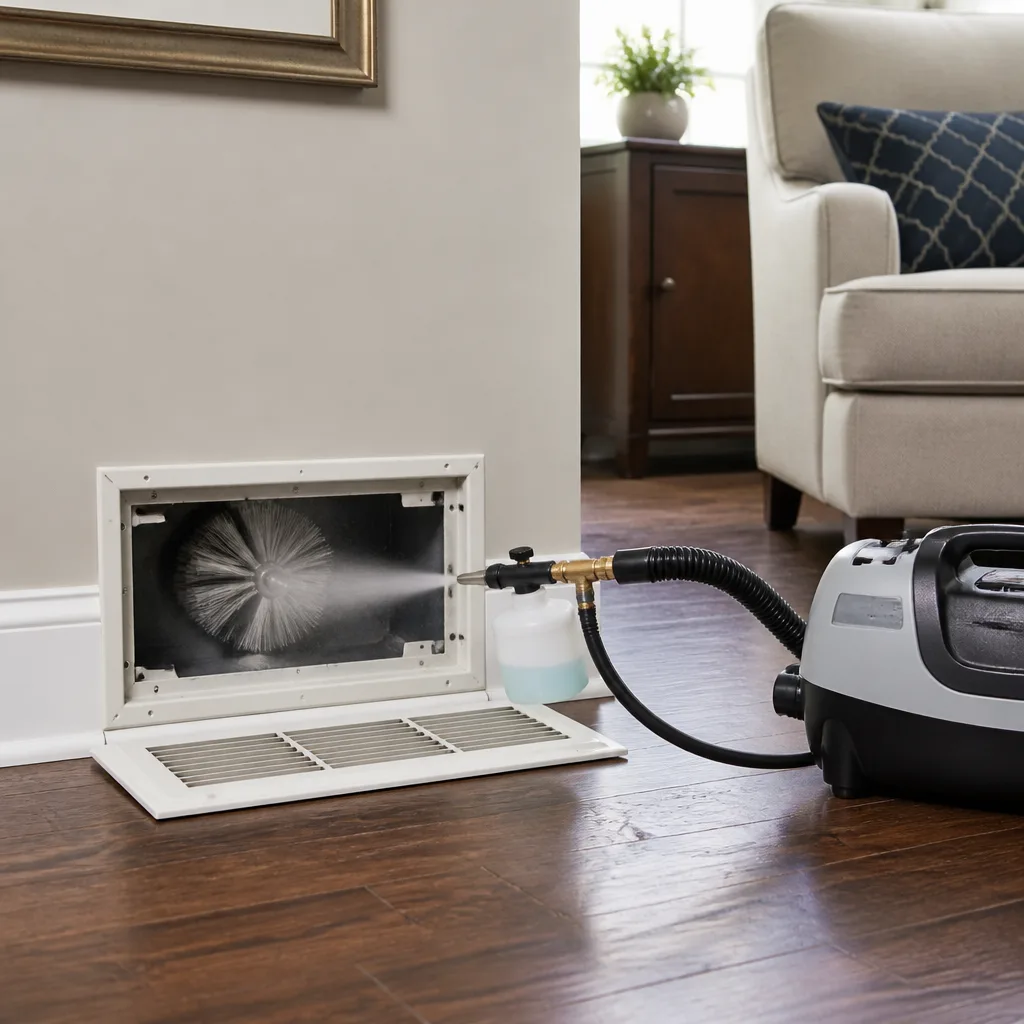 Sanitizing & deodorizing
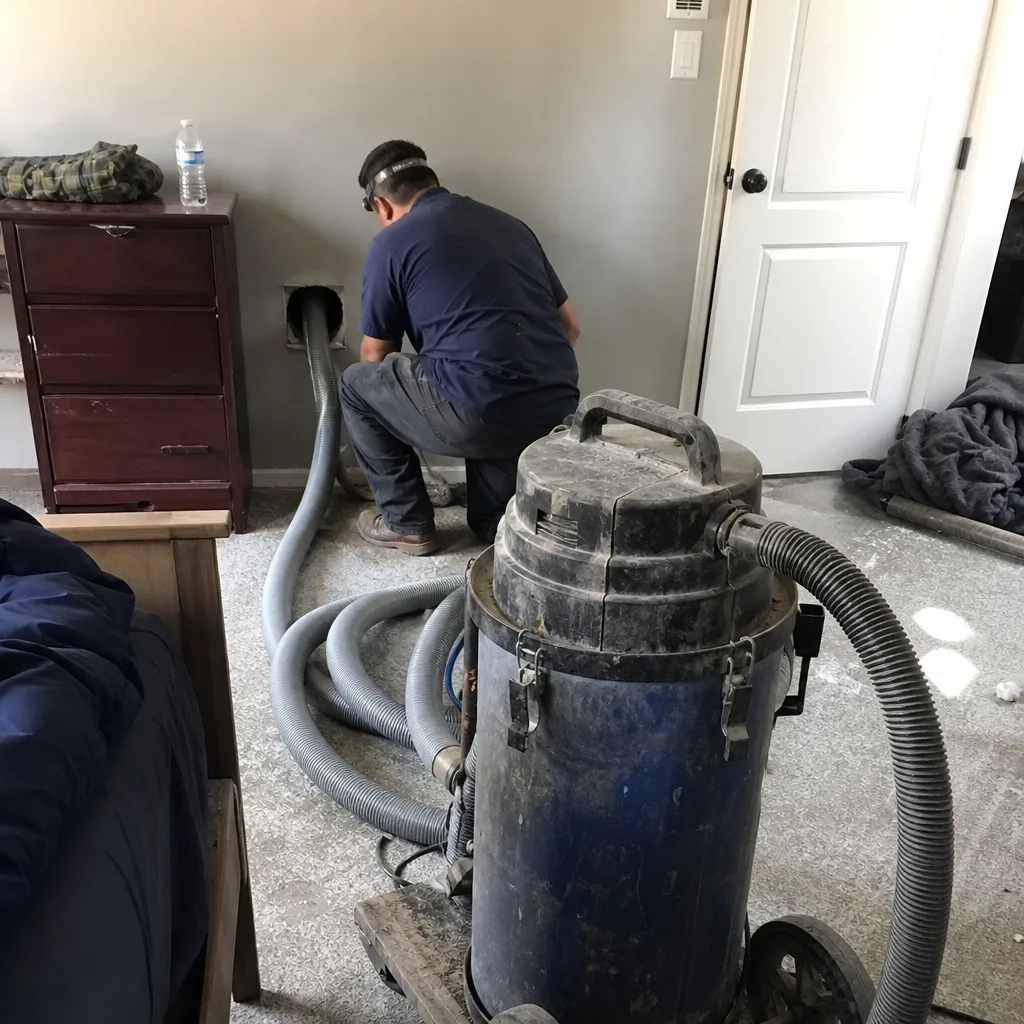
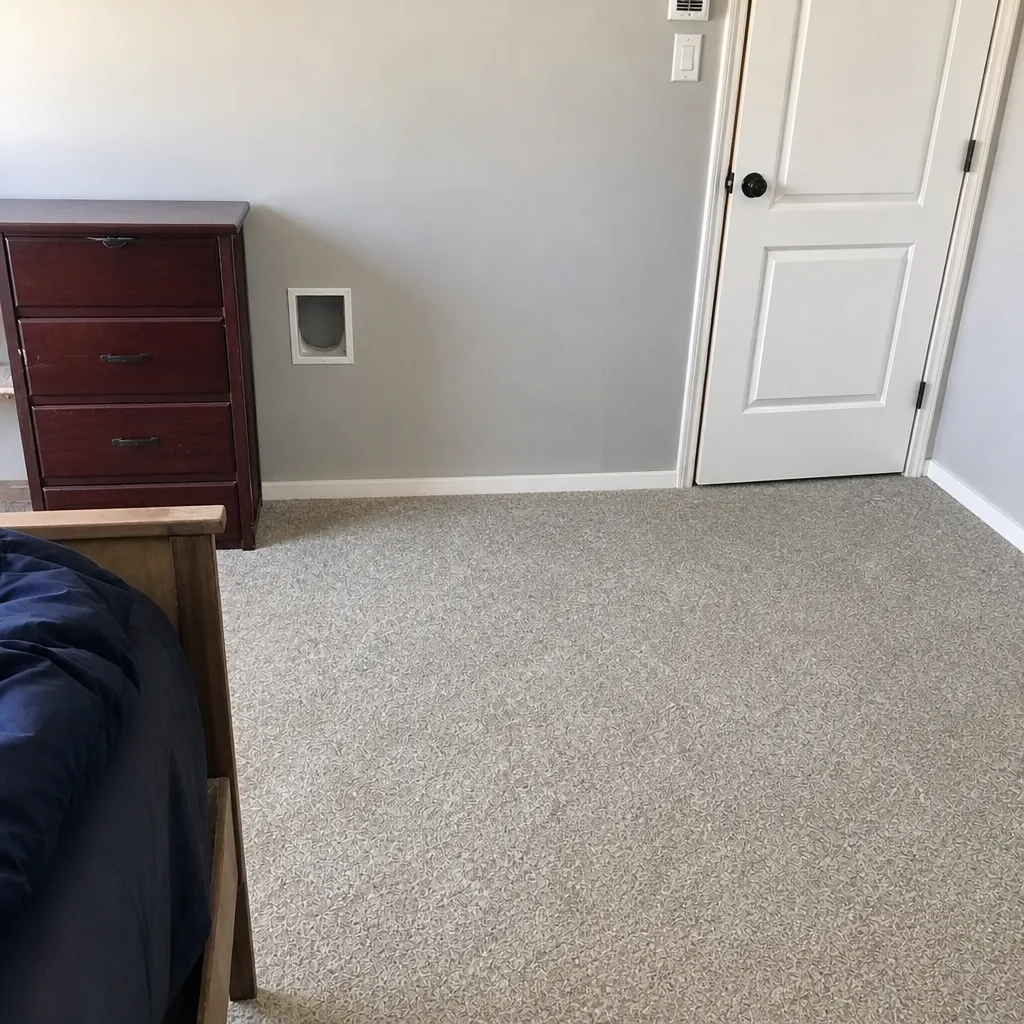
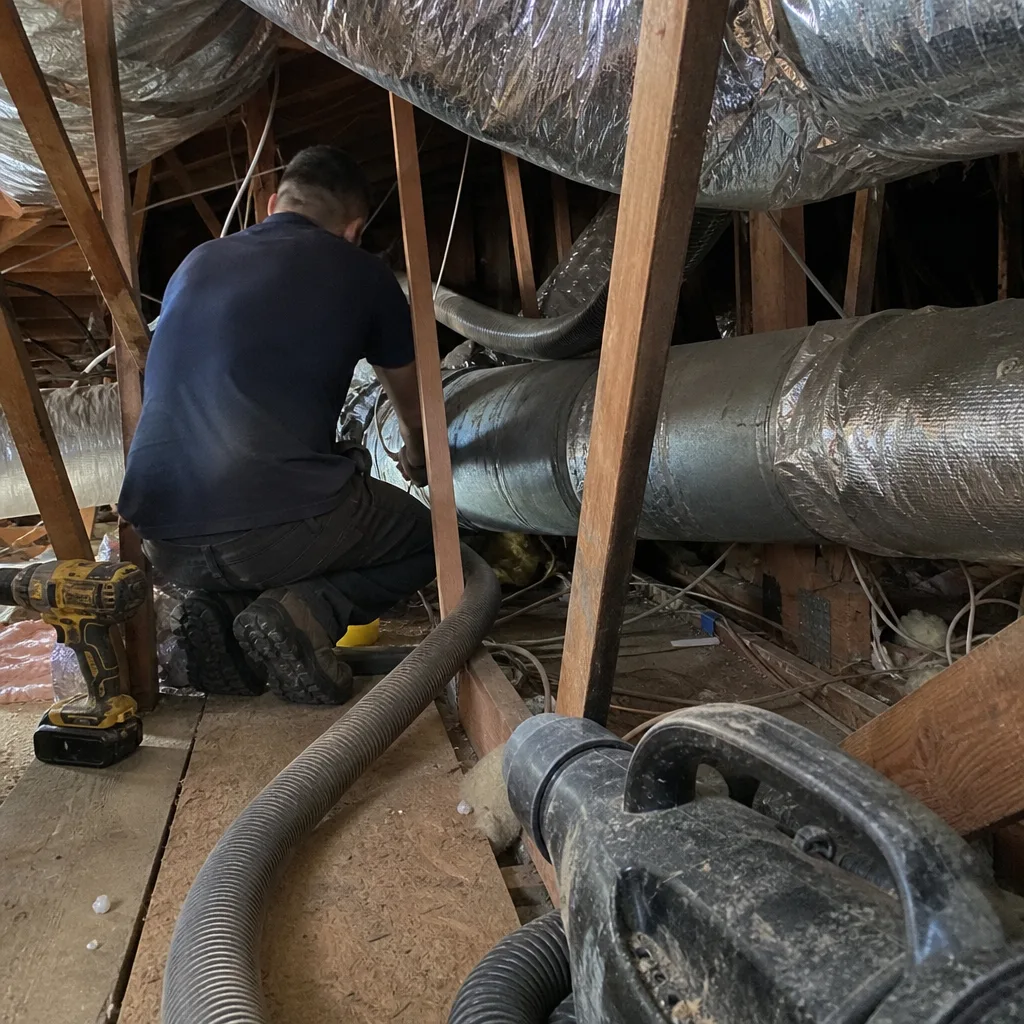
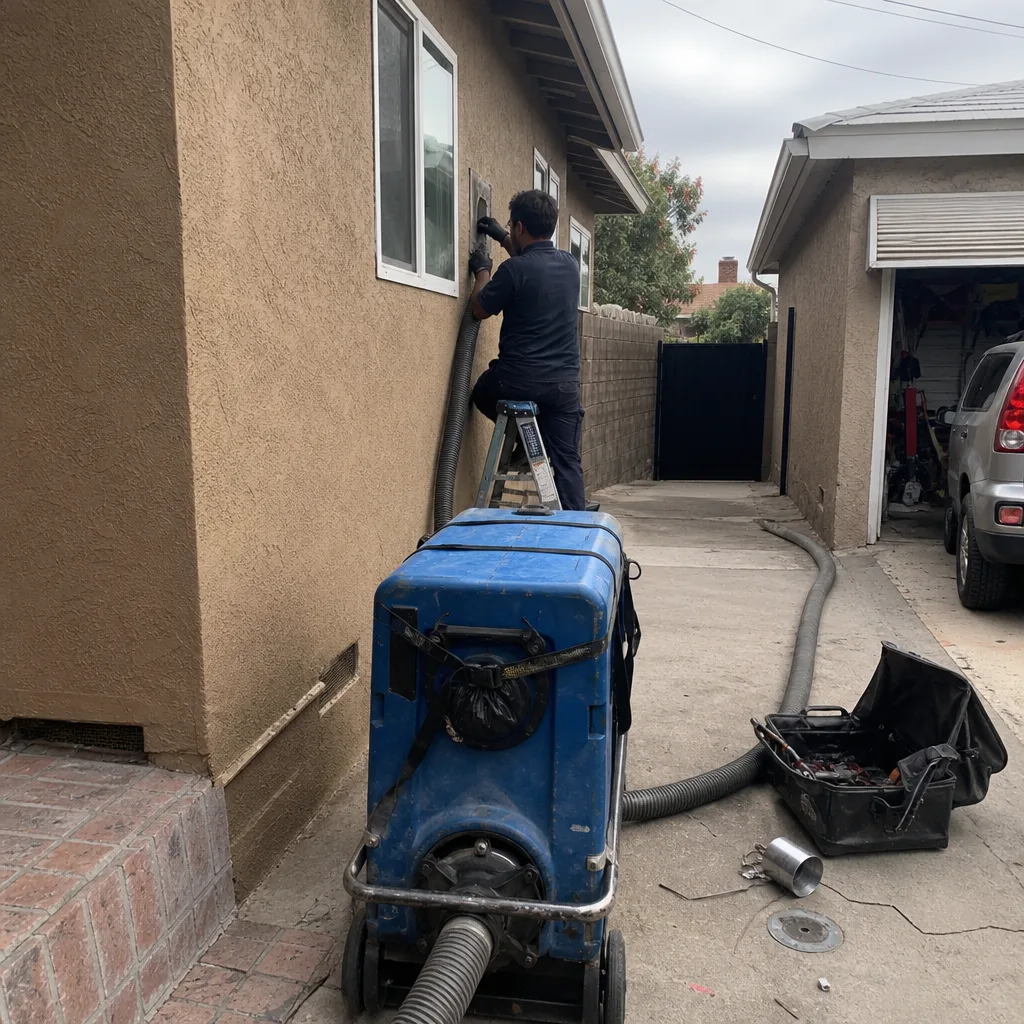
Whole-system duct and dryer vent check with before-and-after photos - you see exactly what came out of your vents
That "$99 whole-house special" is a bait ad - the real number appears once they are in your hallway, or the "clean" is a shop-vac at the register. We photograph the inside of your ducts before and after instead.
Air Duct Cleaning Permits, Codes & Inspections in West Anaheim, CA: What You Need to Know
No permit is required to clean your ducts. That part is simple. But the moment a technician recommends sealing a joint, re-routing a run, or replacing a damaged section, the work crosses a line most homeowners never see until a buyer’s inspector or an insurance adjuster asks for paperwork. Several hundred thousand people live between Beach Boulevard and Knott Avenue, and most of those homes have flex duct in the attic that’s been through years of mild, dusty summers. If that duct gets modified during a cleaning visit, the consequences don’t show up until a sale or a claim. This guide explains exactly where the regulatory line sits in West Anaheim, what triggers a City of Anaheim inspection, and what documentation to keep.
Quick Answer
Air duct cleaning in West Anaheim does not require a building permit because it’s maintenance, not modification. A permit becomes necessary when ductwork is added, removed, re-routed, resized, or when a supply register is added or repositioned. Sealing existing joints with mastic or approved tape is generally treated as maintenance, but replacing flexible duct sections and tying them back into the system starts to blur that line. The written scope of work from the company is what protects you.
Styles & brands we work with
- Whole-home duct cleaning
- Dryer vent cleaning
- Camera inspection
- Sanitizing & deodorizing
Table of Contents
- What California Mechanical Code Section 604 Says About Ducts
- When Duct Sealing Requires a Permit and When It Doesn’t
- Title 24 and Adding or Moving a Supply Register
- Like-for-Like Replacement in Orange County Permit Language
- How to Verify a Duct Cleaning Company Stays in Non-Permit Territory
- What Documents to Keep If the Scope Changes
- Common Mistakes to Avoid
- When to Call a Professional
What California Mechanical Code Section 604 Says About Ducts
California Mechanical Code Section 604 addresses duct systems and separates two different activities: maintenance and modification. The code treats cleaning, repair of a minor nature, and maintenance of an existing duct system as ordinary upkeep. Altering the configuration, capacity, or routing of that system is a different category of work. That distinction, not the cleaning itself, is what determines whether a city permit comes into play.
In practical terms, think of it this way. Section 604’s intent is that duct systems stay sealed, supported, and connected in the way they were designed. A technician pulling debris out of a return trunk or brushing a supply run is working inside the existing system. A technician cutting a new opening, splicing in a replacement run with new fittings, or moving a trunk line is rebuilding part of it.
Why does this matter for a West Anaheim homeowner? Because the housing stock here is varied. The older bungalows and mid-century tract homes between Lincoln Avenue and the 91 freeway often have duct systems that were retrofitted or added later, sometimes without documentation. When a cleaning company opens a return plenum and finds a splice that was never permitted, the honest response is to tell you, not to quietly patch it and move on.
We always recommend asking one direct question before any cleaning begins: “Will everything you do today be cleaning, or is any part of this modification?” A clear answer to that question tells you whether a permit conversation is needed.
When Duct Sealing Requires a Permit and When It Doesn’t
Sealing is the most misunderstood piece of this topic. Most duct sealing with mastic, approved foil tape, or aerosol sealant applied to existing joints is treated as routine maintenance and doesn’t require a permit. The complication arrives when sealing is combined with rebuilding. If a technician cuts out a crushed section of flex duct, installs a new piece, and seals it, that is a repair with a modification component, not a maintenance visit.
Here’s the practical breakdown of how we think about this line:
- Mastic on existing joints: no permit. It’s sealing what’s already there.
- Approved foil tape on a loose connection: no permit. The system isn’t changing shape.
- Aerosol sealing from inside the duct: no permit in ordinary residential use. The system isn’t structurally altered.
- Removing and replacing a section of flex duct: this is where the question starts. Volume and routing matter.
- Cutting a new opening in the trunk to add a run: clearly a modification.
- Adding or relocating a supply register: modification, and there’s more to it (see the Title 24 section below).
A useful habit: before any visit, ask the company to put “sealing only, no duct replacement” or “sealing plus replacement of X section” in writing. If a technician discovers damaged duct that wasn’t in the original quote, ask for the change in writing before work continues. A company that connects you with a vetted local pro will not push back on that request.
Title 24 and Adding or Moving a Supply Register
California Title 24 governs the energy performance of buildings, including duct systems, and it’s where adding or moving a supply register gets more serious. Adding a register changes the system’s air balance and its certified performance characteristics. In Anaheim, that generally means a permit and an inspection, and the work needs to be done by someone who can bring the system back into compliance with Title 24’s duct efficiency requirements.
We see this conversation come up more often than people expect. A homeowner wants better airflow in a bedroom that’s always hot, which is common in the inland side of West Anaheim where afternoon heat builds against west-facing walls. The fast answer from a fast contractor is “we’ll add a register.” The right answer is slower: assess the existing system’s capacity, confirm the change is permitted, and make sure the duct sealing and insulation still meet Title 24 requirements after the modification.
What a homeowner should take away from this section:
- Adding a supply register is a modification, not maintenance, and is generally permitted work.
- Moving an existing register to a new location carries the same requirement.
- Changing a register’s size or type is usually deferred to the mechanical code, but the work should still be documented.
- Replacing the boot that connects the register to the duct is not automatically a modification, but replacing the surrounding duct run is.
- Any of the above performed during a cleaning visit should appear in the written scope before work starts.
The pattern to watch for: a cleaning crew arrives, cleans, then discovers “airflow problems” that require new runs. That discovery might be real. It also might be the moment the job crosses into regulated territory. Either way, get it in writing before it happens, then Air Duct Cleaning West Anaheim can help you decide whether to schedule the cleaning and the documented repair as separate work or as one clearly defined scope.
Like-for-Like Replacement in Orange County Permit Language
Like-for-like replacement is a term you’ll see in permitting conversations across Orange County. It means replacing a component with one of the same size, material, capacity, and function, so the system’s performance characteristics don’t change. When replacement meets that definition, permits are often not required because the system isn’t being modified. When the replacement changes size, material, or routing, it is treated as a modification.
For duct cleaning, the relevant scenario is this: a technician is cleaning, finds a damaged section of flex duct, and asks whether to replace it. There are three common situations.
- Same-size, same-material flex duct in the same location: typically like-for-like, generally no permit.
- Same-size duct but routed differently to avoid an obstruction: this is where the question gets harder, and many jurisdictions treat a different route as a modification.
- Upsized duct, sheet metal replacing flex, or a run added: not like-for-like. Permit territory.
The reason this crops up so much in West Anaheim is the age of the housing. In mid-century blocks near Lincoln Avenue and in the neighborhoods off Brookhurst Street, flex duct installed during an attic retrofit can be running one size smaller than the equipment wants, and a technician fixing a tear may be tempted to size up while they’re in there. That impulse is reasonable, but it needs a permit conversation before it becomes a repair ticket. A written scope saying “replace three feet of flex duct, same diameter, same material” keeps the visit in non-permit territory. A written scope saying “replace duct section, upgrade three feet of flex to six-inch insulated metal” does not.
How to Verify a Duct Cleaning Company Stays in Non-Permit Territory
This is the part most homeowners skip, and it’s where the actual protection lives. You can’t verify a company’s permit habits from their marketing copy. You verify it from the paperwork they hand you before work starts. Equipment matters here too, because the better-equipped companies know their scope well. When a company shows up with Rotobrush agitation and Abatement Technologies negative-air filtration, the visit is designed around contaminant removal, not duct surgery, and the scope naturally stays in the cleaning lane.
Here’s the checklist we’d use in your position:
- Ask for the written scope before work begins. It should name each task and whether it’s cleaning, sealing, or replacement.
- Ask, in one sentence, whether any proposed work changes the system’s configuration. If the answer is yes, ask for it in writing with the word “modification” in it, then call Anaheim’s building department to confirm what’s needed.
- Confirm the company’s equipment. A truck-mounted or portable HEPA extraction with negative air works differently than a shop vac, and the scope tends to match the equipment.
- Ask for before-and-after photos of your own ductwork, not stock images.
- Ask what happens if damage is found mid-job. The answer should be: work pauses, you get a written change order, and you decide.
If you’re evaluating a company and something in the answer feels slippery, that’s your answer. A vetted local pro will explain the difference between maintenance and modification without hesitation. For more on what to expect from the cleaning itself, see our air duct cleaning overview.
What Documents to Keep If the Scope Changes
Keep everything. That’s the short answer. Whether or not a permit ends up being required, the documents form the paper trail that becomes genuinely valuable when you sell, refinance, or file an insurance claim. A buyer’s inspector who finds evidence of duct work will ask for proof it was done correctly, and “we had a guy clean it a few years ago” doesn’t close that gap.
The documents worth keeping for a West Anaheim home:
- The written scope of work, dated, listing every task.
- The written estimate showing the price for each item.
- Any change order, even for something small like replacing a short flex section.
- Before-and-after photographs of your own ductwork.
- The permit number and final inspection card, if a permit was pulled.
- The manufacturer documentation for any replacement duct material.
- The invoice, with equipment noted, e.g., Rotobrush agitation and Nikro negative-air extraction.
The permit and inspection file is the piece most homeowners don’t have. If a modification was done, that file exists in the city’s records and it’s your proof the work passed. If a modification was done without a permit, the file does not exist, and that absence is what creates problems at resale. Getting the paper trail right the first time is far simpler than retroactively explaining a duct run that was added to a system without one. HVAC cleaning often comes up in the same conversation, since the air handler and duct system are usually examined together.
Common Mistakes to Avoid
- Assuming cleaning includes all repairs. A written scope should state clearly that cleaning is cleaning and any repair is quoted separately. If the estimate is vague, ask for a task-by-task list.
- Accepting verbal approval for replacement. A technician who says “while we’re in here, we should replace this” and proceeds on a nod is doing unpermitted work you can’t prove was done right. Ask for a change order in writing.
- Mixing up sealing and rebuilding. Sealing existing joints is maintenance. Cutting and splicing duct is a repair with a modification component. Don’t let the same quote blur both without naming each task.
- Skipping the permit conversation when it’s relevant. If a supply register is being added, a permit is likely needed, and a company that says “we don’t need one for that” is telling you how they operate. Call the city’s building department to confirm.
- Not keeping photographs. Before-and-after photos of your own ducts are the most useful evidence in the file, and companies with professional equipment take them anyway.
- Accepting stock images as documentation. A generic photo of a clean duct proves nothing. The images should show your home’s ductwork, before and after.
- Ignoring the dryer vent during the same visit. It’s a separate scope from the air duct system but it’s a genuine safety issue, and it’s worth asking about. See our dryer vent cleaning page for how that scope works.
When to Call a Professional
Call when any of these is true: you’re seeing visible dust blow from registers within a day or two of cleaning, you’ve noticed a crushed or disconnected duct in the attic, the system hasn’t been cleaned in many years and someone in the house has allergies or asthma, you’re preparing a West Anaheim home for sale, or you’re a property manager scheduling for a rental unit. Call if a technician proposes a modification and won’t put it in writing. Call if you’ve bought a home where duct work was done without documented scope.
Our technicians have up to 11 years of experience with Rotobrush agitation and Nikro extraction equipment, and we can walk you through what a professional scope looks like before any work starts. Air Duct Cleaning West Anaheim offers free estimates in West Anaheim. Call (866) 937-8584. We answer 24/7. Fast dispatch from 7am to 7pm, Sunday through Friday.
See the difference
 Before
 After
 Before
 After
 Before
 After
Frequently Asked Questions
No. Air duct cleaning itself is maintenance and does not require a permit in West Anaheim or anywhere else in California. The permit question only comes up when the work involves modifying the duct system: adding, removing, re-routing, resizing, or adding a supply register. Call (866) 937-8584 for an estimate and a written scope of work before any visit.
Sealing existing joints with mastic or approved tape is maintenance and generally doesn’t require a permit. Sealing becomes permit-relevant when it’s combined with cutting out and replacing a duct section, or when a different material or size is installed. If you’re unsure whether your job crosses that line, the written scope from the company is the answer. Ask for it before work starts, and call (866) 937-8584 to talk through the scope.
Whole-system duct cleaning is priced per job, not per vent, and the written estimate sets the final price. The range in this market depends on system size, number of returns and supplies, and attic access at your specific home. Call (866) 937-8584 for a free estimate on your system. The number is set by the scope, and you should have it in writing before work begins.
Low quotes often reflect a limited scope: vacuuming the main trunk and calling it a whole-system job, or skipping mechanical agitation entirely. Professional equipment matters here. Rotobrush agitation with Nikro negative-air extraction removes debris that a simple vacuum leaves behind, and the quote reflects that difference. Call (866) 937-8584 for a scope that lists every task before you compare prices.
Ask for before-and-after photographs of your own ductwork, a written scope listing every task, and an itemized invoice. If those three things are in the file, you have real proof the work was done, and the record is useful at resale or when filing a claim. Any company with professional equipment should provide all three as a matter of course. Call (866) 937-8584 for a scope you can keep.
Adding a supply register is a modification to the duct system and is generally permitted work in Anaheim, and Title 24 efficiency requirements apply to the change. The work also needs to be done by someone who can bring the system back into compliance. Confirm with the city’s building department before approving any register addition during a cleaning visit. Call (866) 937-8584 for a written scope that separates cleaning from modification.
The Bottom Line
Cleaning your ducts doesn’t require a permit. Modifying them does, and that line is what most homeowners never see until it matters. The California Mechanical Code treats cleaning and routine sealing as maintenance. Replacing sections, re-routing runs, adding registers, and resizing duct all count as modification with permit and inspection requirements. Keep a written scope before work starts, ask for change orders if the job grows, save the photos, and hold onto any permit and inspection records. If you’re a West Anaheim homeowner preparing to sell or just want a scope that holds up, call us for an honest assessment.
Call Air Duct Cleaning West Anaheim at (866) 937-8584 for a free estimate. We answer 24/7. Fast dispatch from 7am to 7pm, Sunday through Friday. Our team works with Rotobrush, Nikro, and Abatement Technologies equipment on every job, and we’ll put your scope in writing before we start. Whether you need standard cleaning, a documented scope of work for a home sale, or a clear answer on what counts as maintenance and what counts as modification, we’re glad to talk it through.
Written by the team at Air Duct Cleaning West Anaheim.